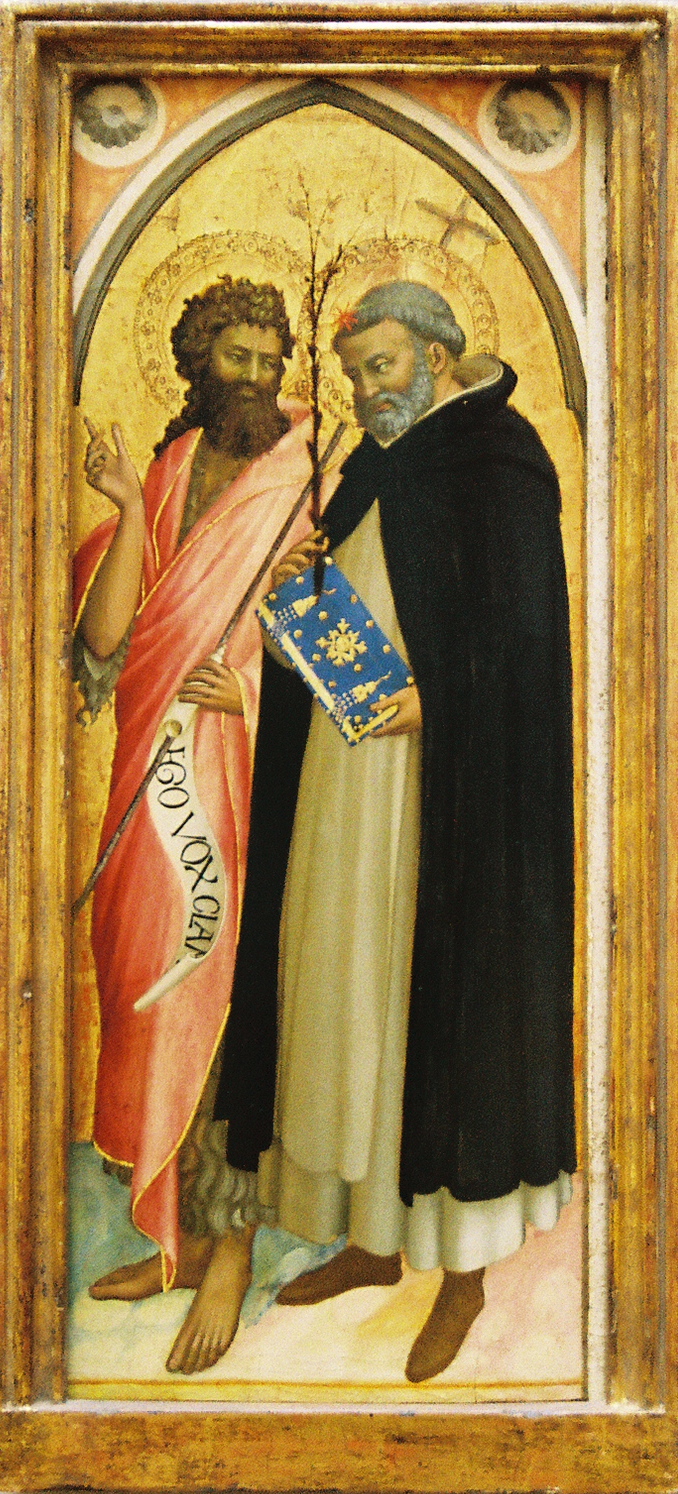
Pope Benedict XV (1914-1922), himself a Third Order Dominican, said,
"Among the means of holiness most useful and opportune for the defense of and progress of Christian faith and morals in our day, we recognize the Dominican Third Order as one of the most eminent, easy, and secure."
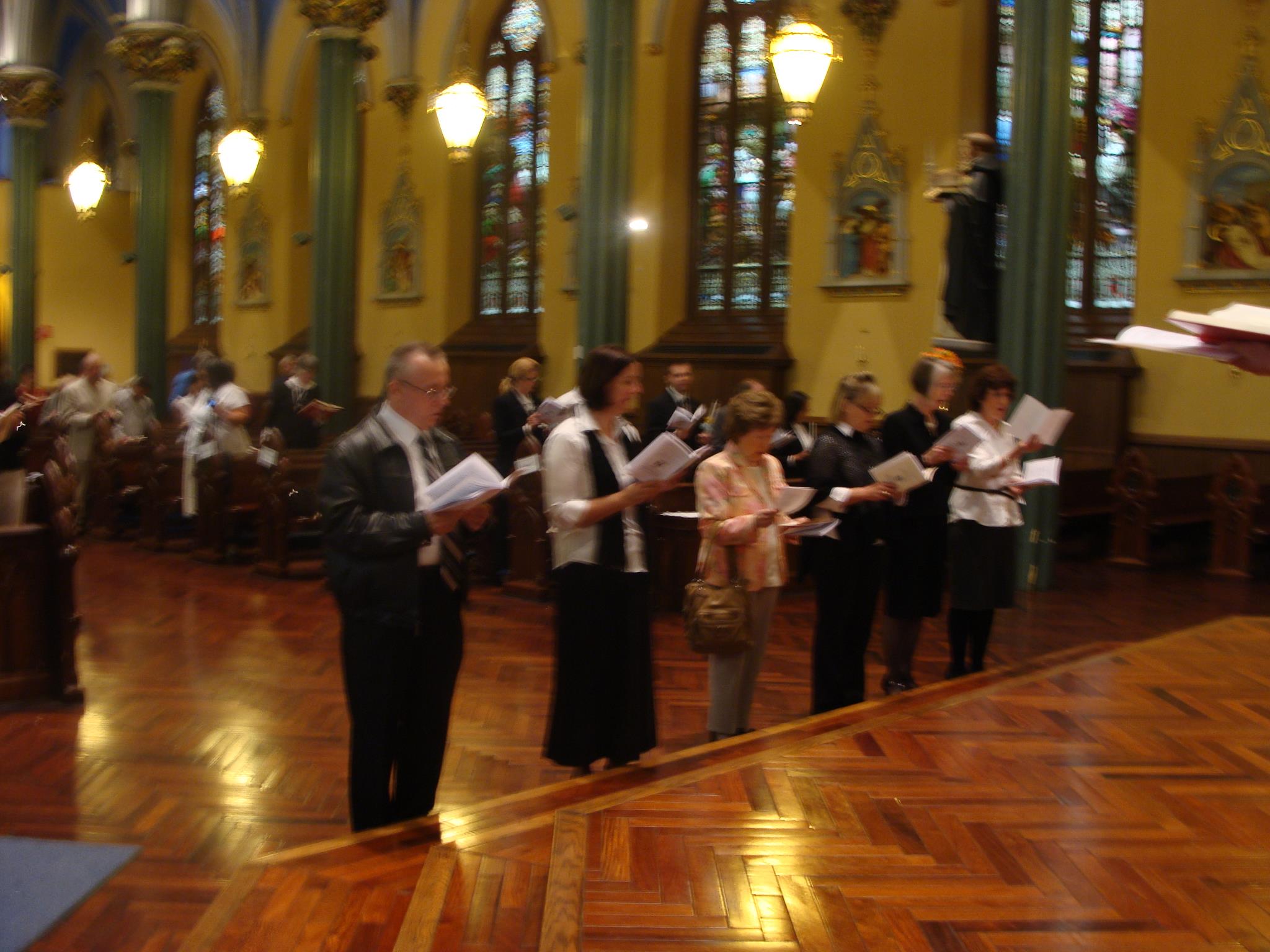
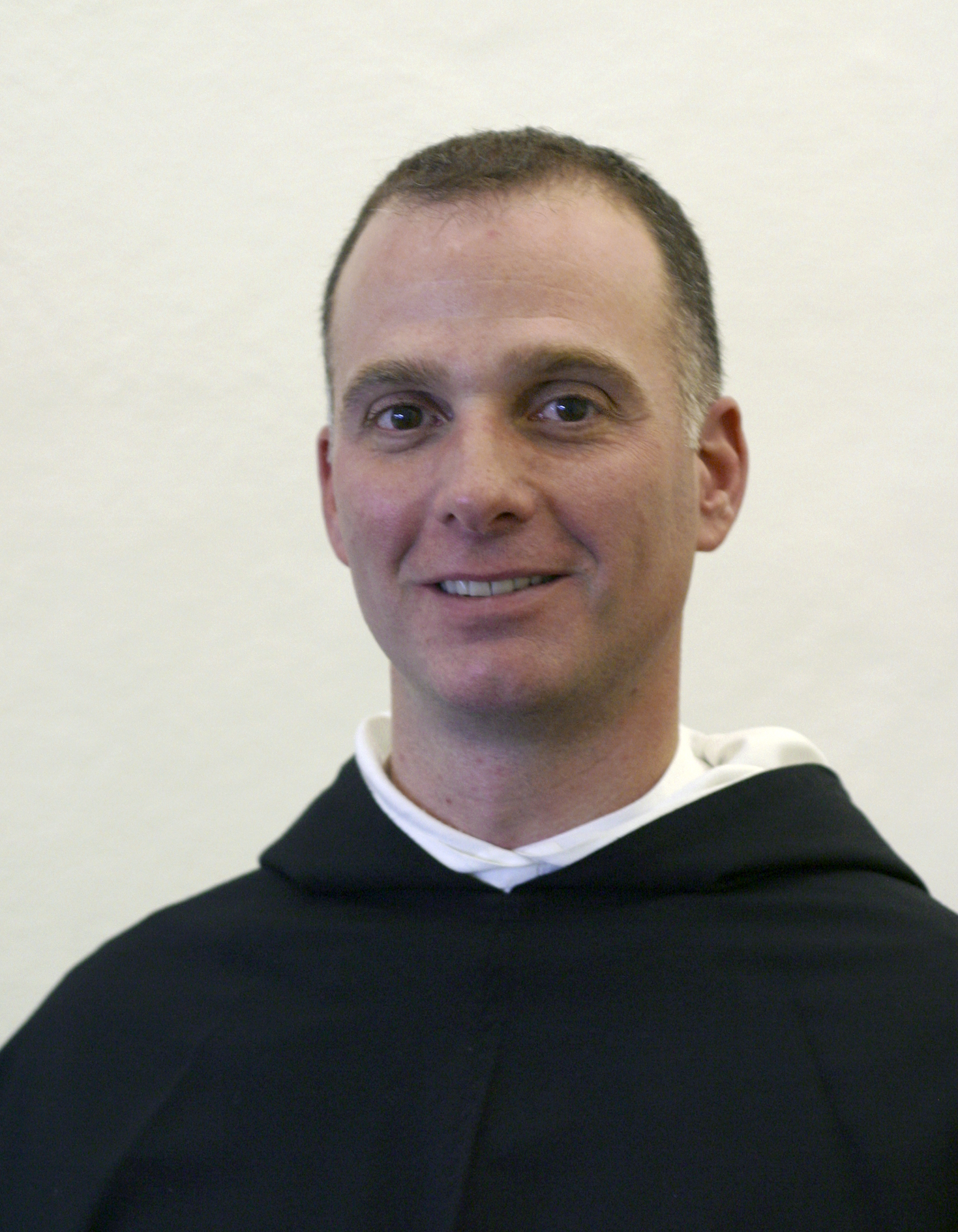
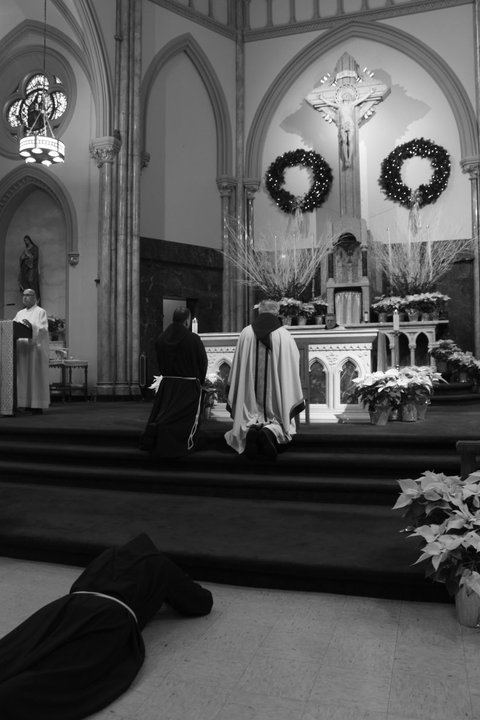
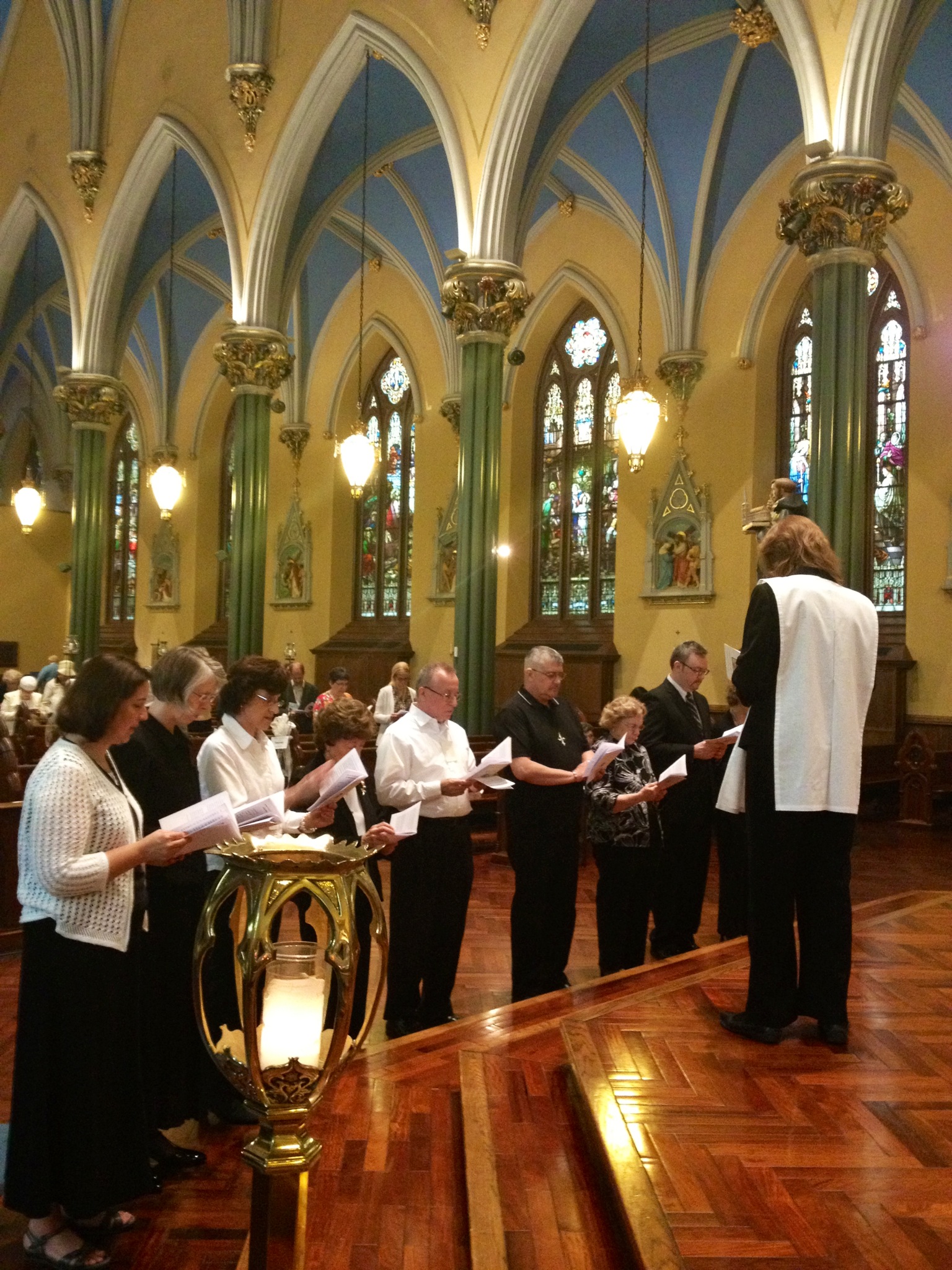
This afternoon New Haven's Lay Fraternity of Saint Dominic (the Dominican Third Order Laity) celebrated the rites of reception for two new members, simple profession of five and the final profession of two in the context of Sunday Mass. The president of the chapter Linda Kelly and the religious assistant, Father Jordan Schmidt, OP, (who stands in the place of the Master of the Order) received the promises. The rites were held at Saint Mary's Church in New Haven, CT.
The promises made a more intense living of one's baptismal vows but now the person promises actually live in a fuller way as the Apostles did in relationship to the Divine Master. Though we rarely think of the graces of Baptism with any regularity, here the profession of promises by the laity accentuate the reality of grace first received when we were first washed of Original Sin and made members of the Mystical Body of Christ.
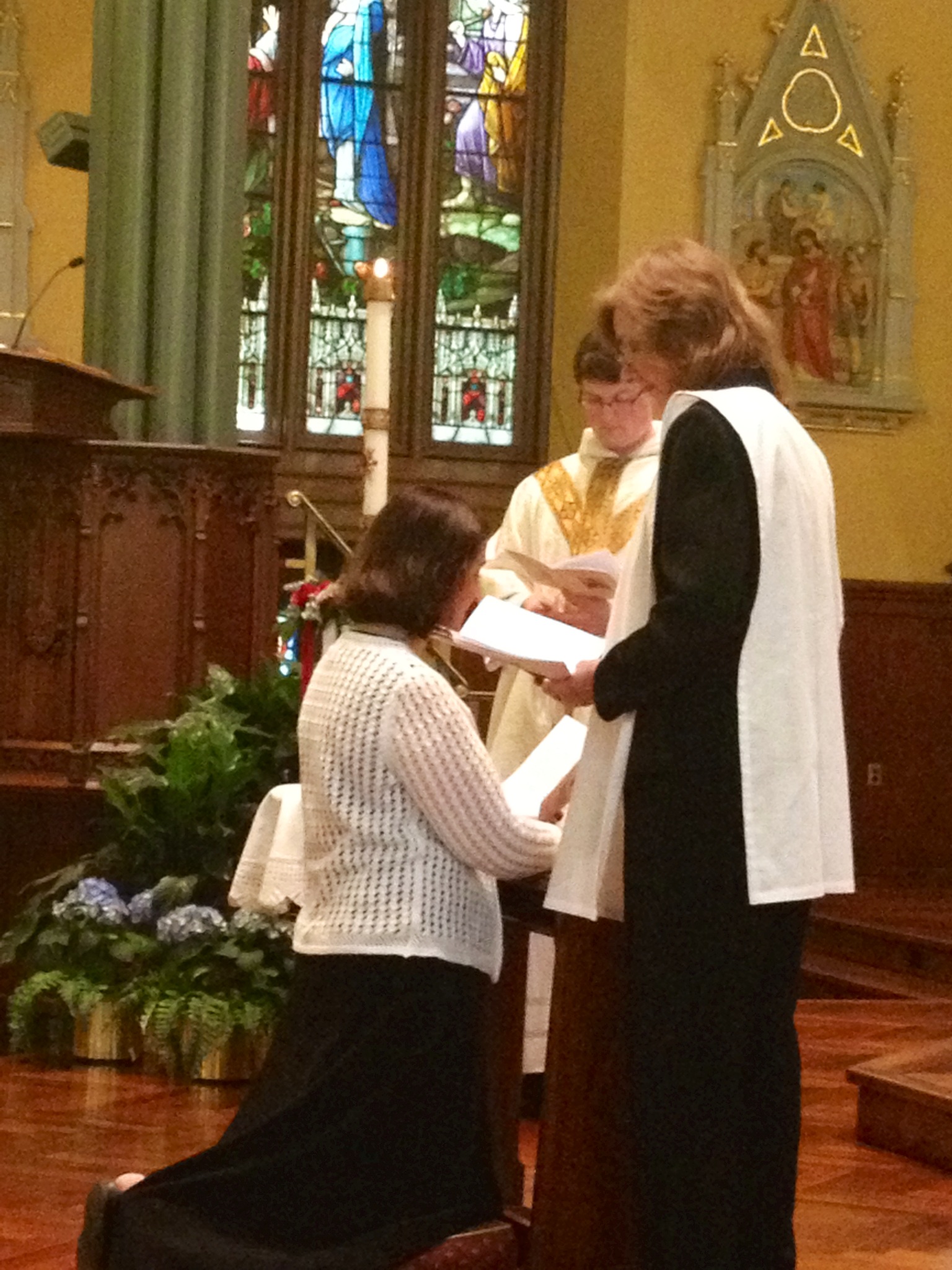
One of the exhortations made by the priest singled out the the manner of life out to be seen as being salt of the earth and light of the world for the purpose of honoring God and the salvation of souls. Hence, what is at the center of the promises are the gifts of the Holy Spirit. Those making the promises are asked if they are "resolved to be more closely bound to Christ and the service of the Church," "to walk in the newness of life" adhering to what Saint Dominic proposed in terms of announcing the Good News and following the Lord," and that according to their particular state in life as laity, they have a share in the Church's "apostolic mission by prayer, study and preaching." Therefore, they have a new bond with the Order of Preachers.
Blessings to Fraternity of Saint Dominic of New Haven, especially to our friends Tacy and Steve. May what God has given us be brought to completion.
Saint Dominic, pray for us.
Saint Catherine of Siena, pray for us.
All saints and blessed of the Dominican Order, pray for us.