Paul Haring, a photojournalist who works for Catholic News Service in Rome talks about his vocation in following Pope Benedict to record for us “the moment” with the Vicar of Christ. As Paul notes, it is a singular act of Providence to be see life through an new lens, especially when pointing that lens at the Supreme Pontiff.
Confronting bourgeois religiosity
Several things have surfaced for me recently that has me wondering about what we are doing as a Christian people living our faith in a parochial setting today. Two things to read are the notes from a recent Communion and Liberation retreat and the Pope’s recent remarks in Croatia. Both go hand-in-hand: God is not a sentimental object and He remains an authority. But in order for me to say this with conviction I’ve got to accept that if I am in Christ I am a new creation (really!) and therefore a living presence. How many times during the Easter season did I understand that Christ was (is) the newness of life? The honest answer is: it is hard to tell.
Father Julián Carrón had the following to say in his introductory remarks for Communion & Liberation’s Fraternity Spiritual Exercises given this spring that bear significant attention for whatever ministry we find ourselves in (or not):
“It seems I am hearing today the same identical question Fr. Giussani was asked by a student. He himself recounts it: “Now people no longer perceive the correspondence between the Christian proposal in its originality, the Christian event, and everyday life. When you try hard to make it understood, they say, ‘But you’re so complicated, you’re so complicated!’ In high school, when I dictated what you study in School of Community, I had in class the son of Manzù, who had a priest he always went to. This priest stirred him up against what he read in the notes from my lessons, and told him, ‘See, this complicates, while, instead, religion is simple.’ In other words, ‘the reasons complicate’-and how many would say the same!–‘the search for the reasons complicates.’ Instead, it illuminates! This mindset is the reason Christ is no longer an authority, but a sentimental object, and God is a boogeyman and not a friend.”
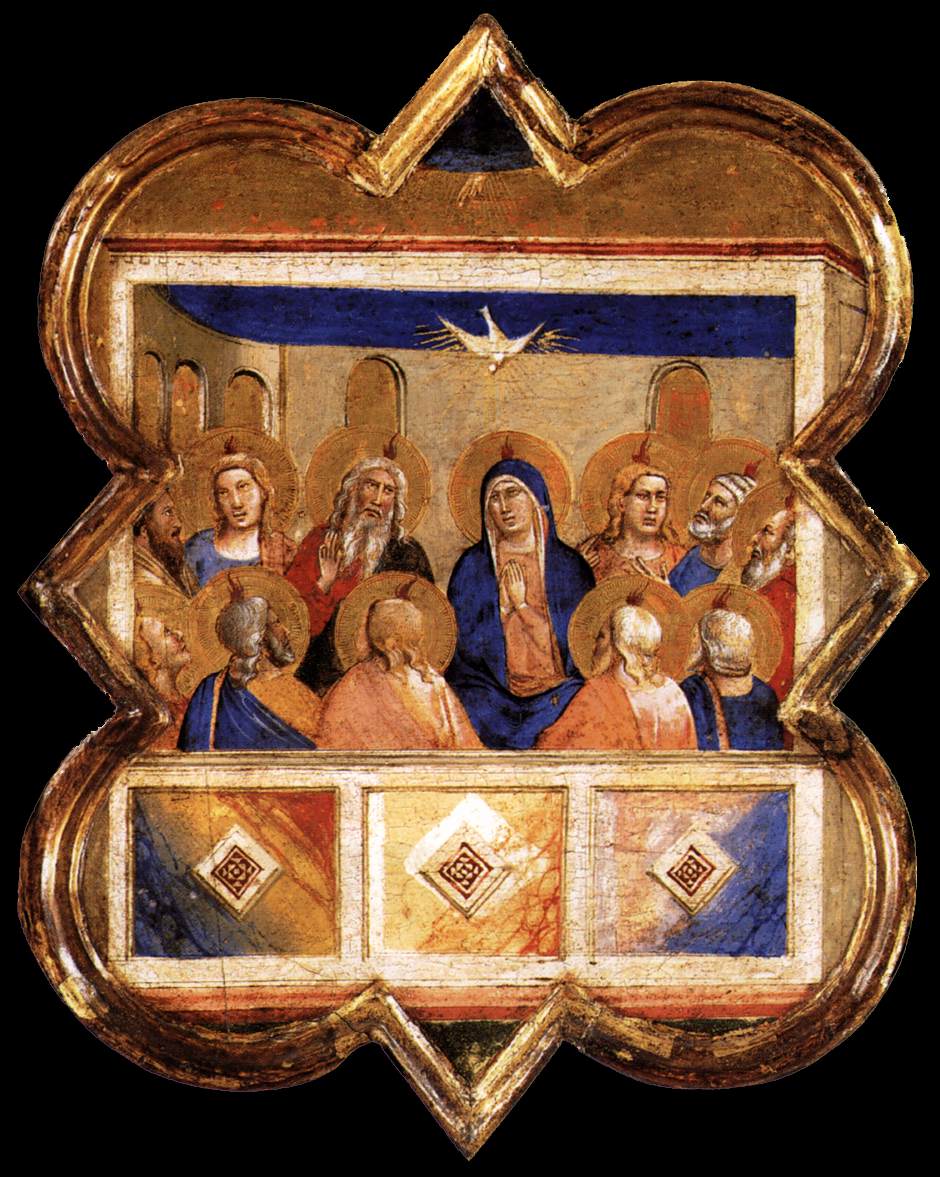
Praying with the Pentecost sequence
In the days that lead up to the great solemnity of Pentecost meditating on the sequence for Pentecost, “Veni Sancte Spiritus” (Come Holy Spirit), is appropriate. Take the text of the “Veni Sancte Spiritus” use it for your Lectio Divina up to Pentecost, and perhaps in days following.
For many people in the pew, the Church’s use of the sequence 4 times a year jumps out of no where and it sinks into oblivion because it is infrequently spoken of in bulletins or in homilies. With rare exception priests sadly ignore the sequences. Today, the priest actually made the suggestion to pray with the Pentecost sequence, “Veni Sancte Spirtus”.
The sequence, as you know, is a poem of the Middle Ages that was composed for specific feasts of the Paschal Mystery, holy days and feasts of saints to draw our attention to the truth of the faith. It is the lex orandi tradition at its best. While not taken from the Bible, the sequence relates to us the major themes of sacred Scripture to which we need to give some attention. The sequence is sung after the second reading and right before the Alleluia verse (Gospel acclamation).
Here are but a few lines from “Veni Sancte Spiritus” to bring to prayer:
O most blessed Light fill the inmost heart of thy faithful.
Without your spirit, nothing is in man, nothing that is harmless.
Wash that which is sordid water that which is dry, heal that which is wounded.
Make flexible that which is rigid, warm that which is cold, rule that which is deviant.
The full text of the Pentecost sequence is noted here.
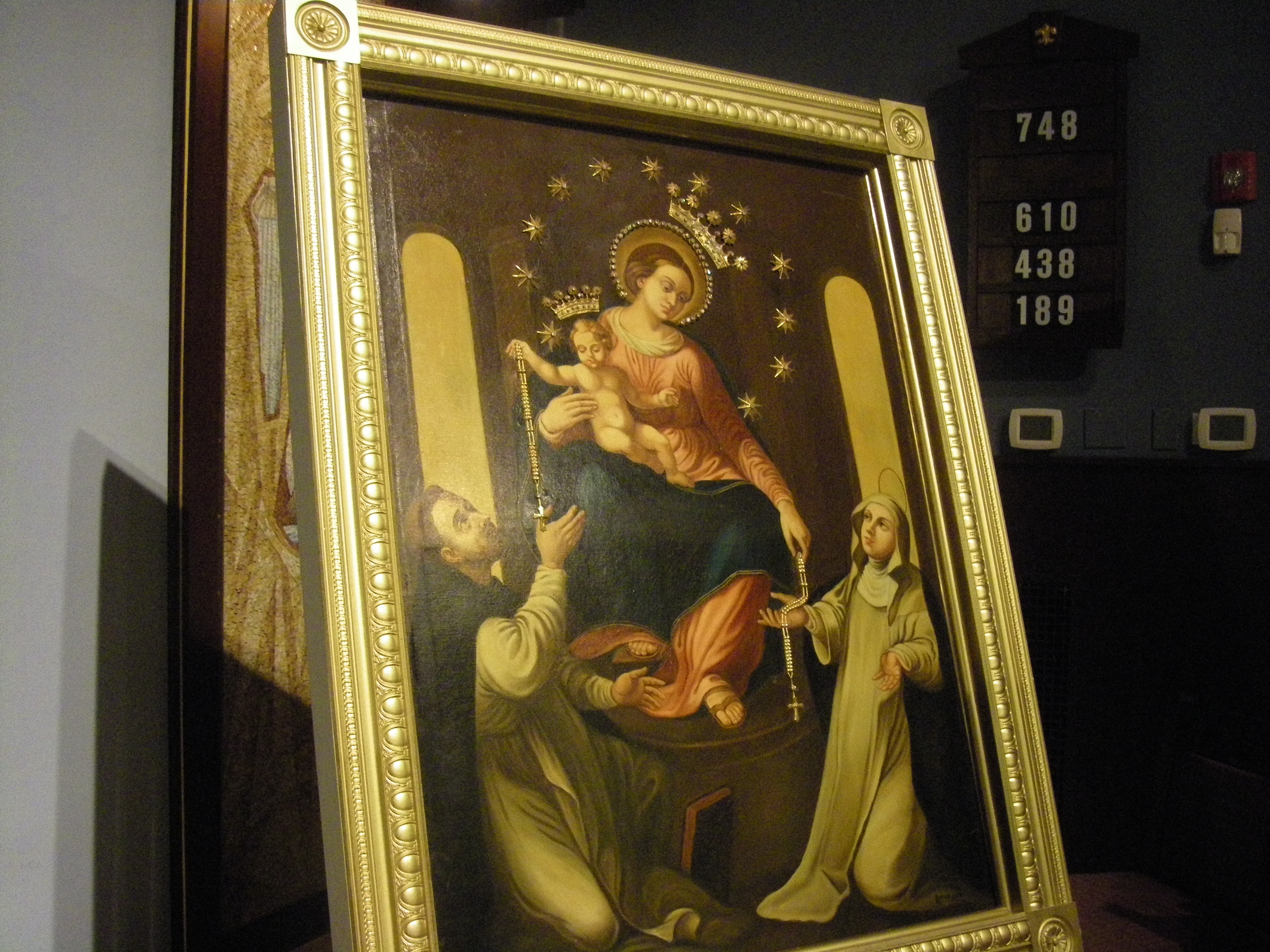
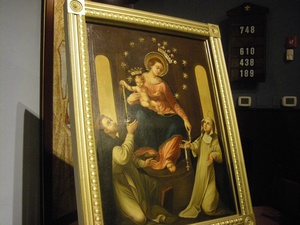
Missionary image of Our Lady of Pompeii visits East Haven, CT parish
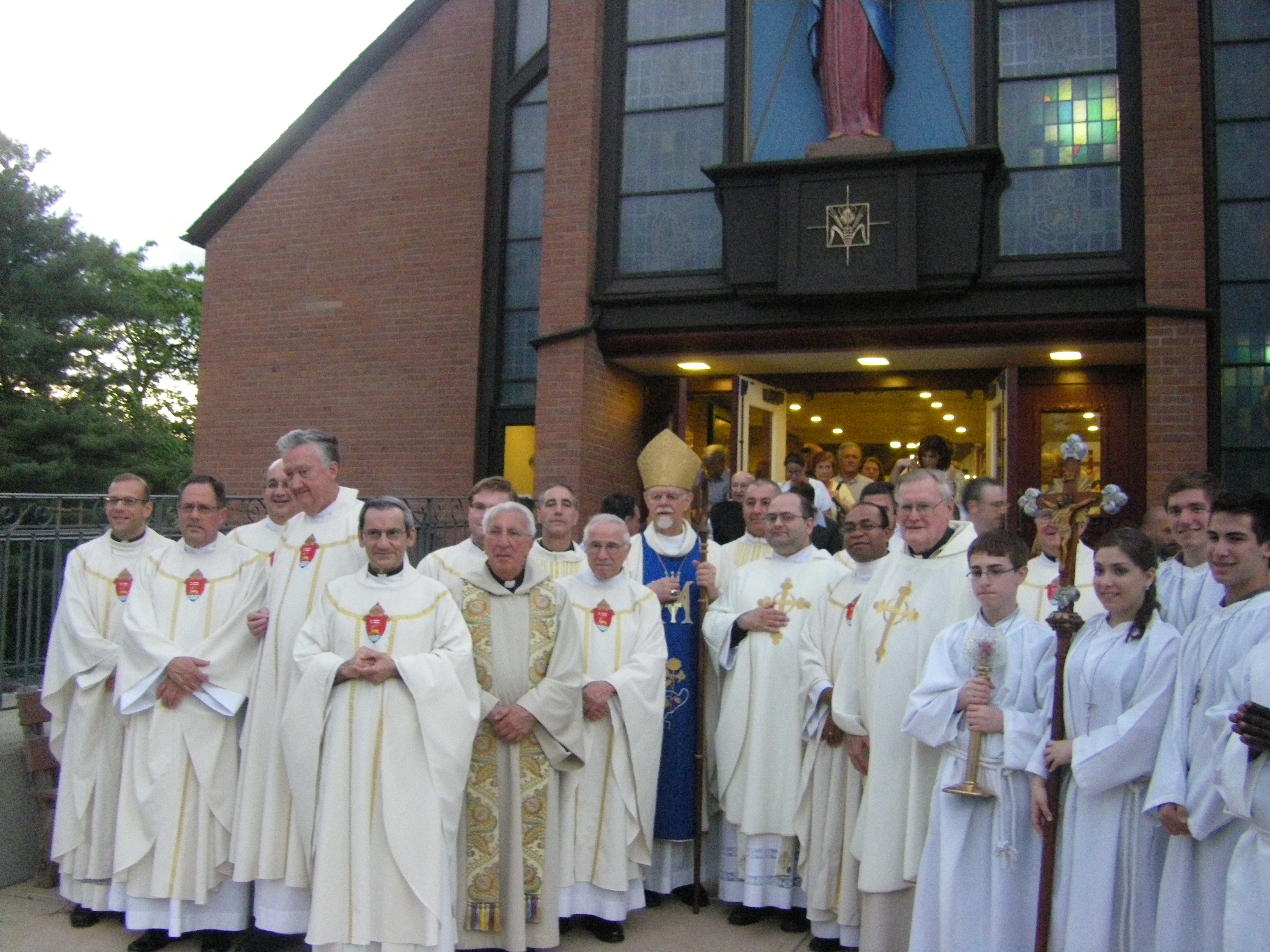
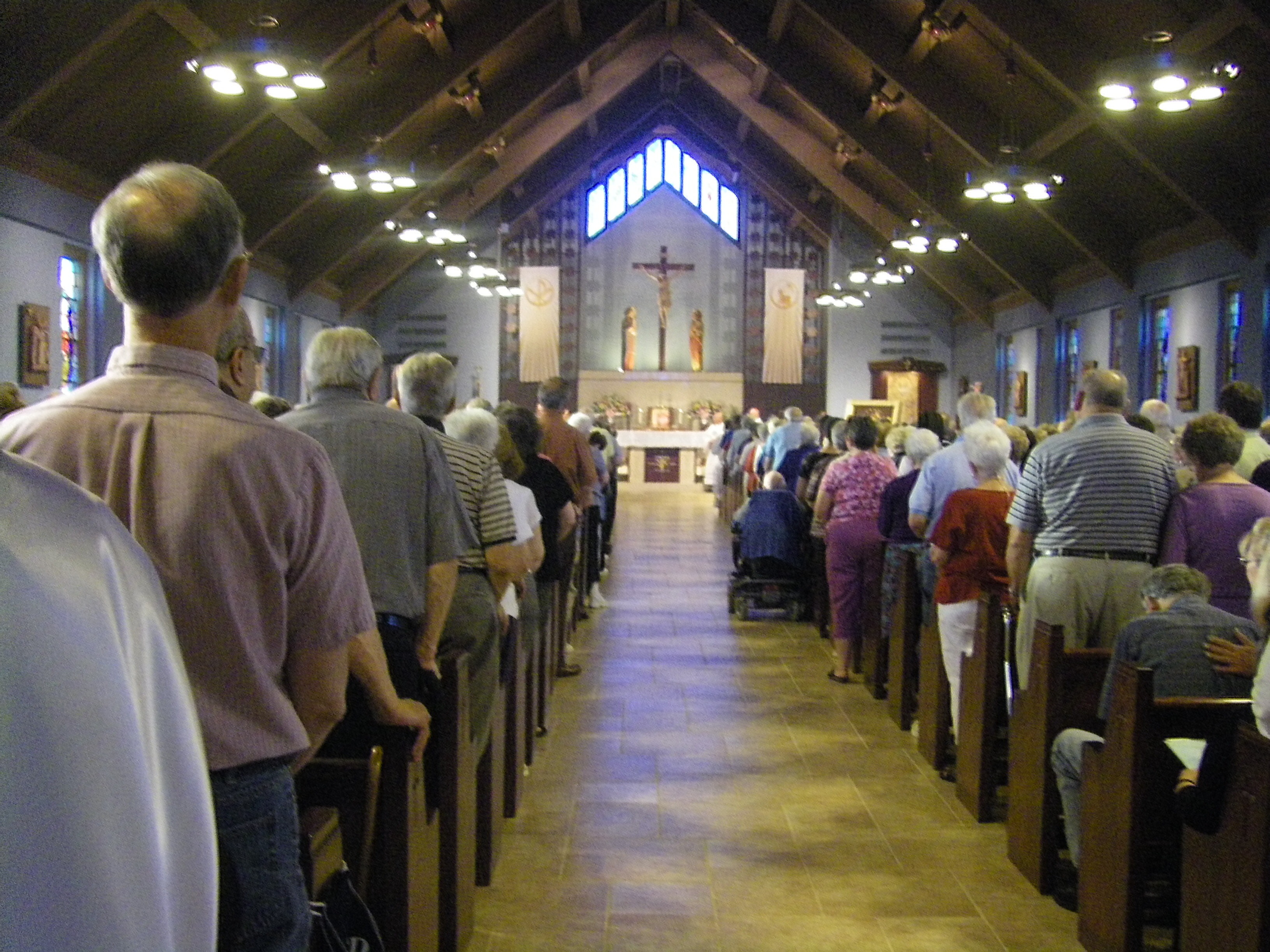
The missionary image of Our Lady of Pompeii is making the rounds the various parishes in the USA strengthening the faith of the people and evoking the confidence in Christ. Tonight, the Missionary Image of Our Lady of Pompeii was brought to the parish church named for the same in East Haven, CT. Thanks to Father Matthew R. Mauriello, pastor of Saint Roch Church (Greenwich, CT) and the coordinator of the US Marian Mission of Our Lady of Pompeii.
St Norbert of Xanten
First a Benedictine monk then a founder of an order of canons to live under the Rule of St Augustine, the Order of Premontre, the noble Norbert sought to fight heresy, to promote true devotion to the Blessed Sacrament, to dispel spiritual, to defend the papacy, work for peace, to end human indifference and reconciliation among family.
One of the key features to Saint Norbert’s spiritual life and apostolic work was his total reliance on the Lord to direct everything. He realized that his own skill set was insufficient to do much with Christ. That’s why a true Norbertine vocation is lived with one’s face turn toward the Eucharistic Lord and his feet and hands sustaining the Church.
Norbert was also the archbishop of Magdeburg. As archbishop, Norbert collaborated with the likes of Saints Bernard and Hugh in the reformation of the clergy and effecting ecclesial unity. Norbert died on this date in 1134.
Through Saint Norbert’s inspiration and prayer may we be servants of the Church outstanding in prayer, pastoral zeal and love for the people of God.
From Swiss Guard to Benedictine monk
Pilgrims to the Vatican notice a few things: the pope, the architecture and the Swiss Guard. The Guard, in their colorful uniform, are quite identifiable because of the closeness to the Pope. These young men in the service of protecting the Holy Father are Swiss, Catholic, unmarried and fulfilling their military requirement.
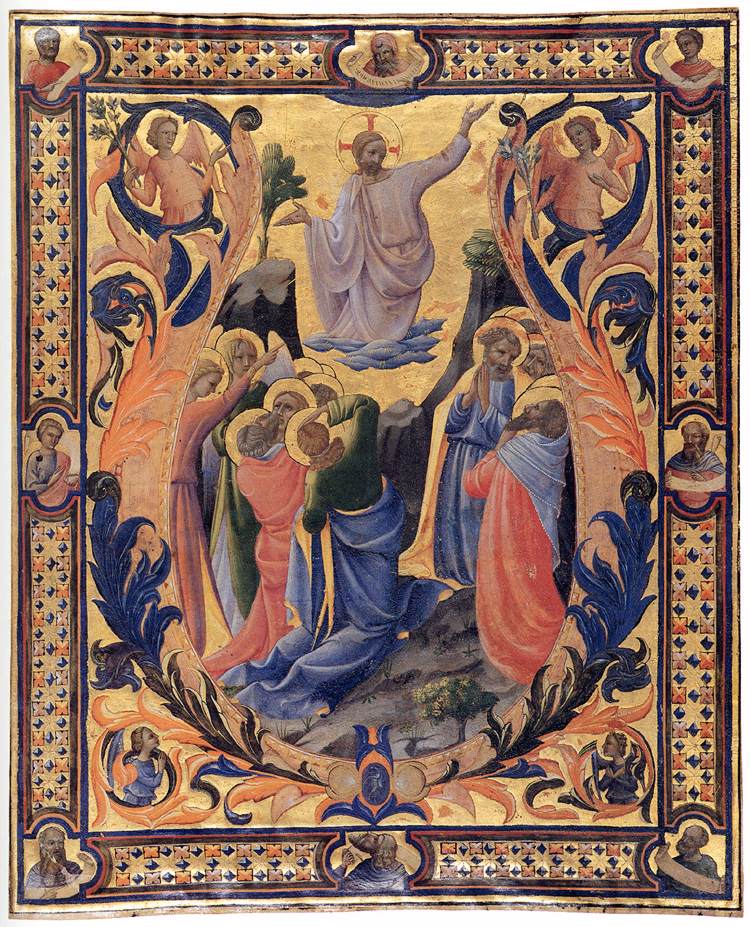
Ascension Sequence: Postquam hostem et inferna
Postquam hostem et inferna Satan and the realms
infernal
gaudia; Christ returneth back once more:
he wendeth,
obsequia. Angels set them to adore.
Continue reading Ascension Sequence: Postquam hostem et inferna
Connecticut’s best!
Society is built upon gift of self and a well-formed conscience tells Croats, us
I am very glad that the first engagement of my visit should
be with you, representing as you do key sectors of Croatian society and the
Diplomatic Corps. My cordial greetings go to each of you personally and
also to the important communities to which you belong: religious, political,
academic and cultural, the world of the arts, finance and sport. I thank
Archbishop Puljic and Professor Zurak for the kind words they have addressed to
me, and I thank the musicians who have welcomed me in the universal language of
music. This dimension of universality, characteristic of art and culture,
is particularly appropriate for Christianity and the Catholic Church. Christ is fully human, and whatever is human finds in him and in his word the
fullness of life and meaning.
Continue reading Society is built upon gift of self and a well-formed conscience tells Croats, us
Infinity Dwindled to Infancy: A Catholic and Evangelical Christology, NEW book by Father Edward Oakes
Father Edward T. Oakes, SJ, is a professor of systematic theologian teaching at Mundelein Seminary. He is a member of the some time meeting of the Dulles Colloquium (a theological discussion group that was organized by Father Richard J. Neuhaus and Cardinal Avery Dulles) and he is a member of the ecumenical theological discussion group Evangelicals and Catholics Together. Oakes is a frequent writer for First Things and several other periodicals. Oakes is the author of Pattern of Redemption and a co-editor of The Cambridge Companion to Hans Urs Von Balthasar. There are several translations done by Father Oakes of Balthasar to note.