
Kyle Fertig was one of 1.1 million students who began school in New York yesterday. He’s likely to be voted THE well-dressed student of the school system.
Saint Thomas Aquinas, pray for our students.
Last Sunday’s Mass readings centered our attention on fraternal charity, fraternal correction. We have to heal the person who causes harm because he or she needs the healing more. The Rule of St Benedict and Pope Benedict had something to say about it. This coming Sunday’s reading continues the theme of forgiveness. The Church in her wisdom keeps on reminding us of the facts that make up the Christian journey and how to live within these “facts” so that we thrive.
Basilian Father Thomas Rosica’s reflections on this coming Sunday’s readings on forgiveness are appropos.
What does it mean, “to forgive”? First of all forgiveness implies that there is something to forgive. Whether it’s something big or small, the need for forgiveness means somebody has done something wrong. The Greek word used for “forgiveness” in today’s parable means “to send away” or “to make apart.” Forgiveness “sends away” whatever has been keeping people apart. Anger or feelings of vengeance are “sent away.” By forgiving, one is no longer under the control of that past sinful act he suffered. We know that Jesus demands boundless forgiveness of his disciples. Forgiving and showing mercy, however are not always simple matters.
Forgiveness doesn’t mean that the people will be reconciled immediately. Nevertheless, it begins the healing process and helps to remove feelings of revenge. To ignore Jesus’ teaching on forgiveness has serious implications in this life and in the next. Do we really believe that our eternal destiny and salvation are harmed or hindered by our inability to forgive while we are on this earth? How do we do justice and show mercy? These are certainly not easy questions for us to answer and they surface in us a myriad of emotions that are also present in this parable.
The Church is called to break down the barriers that divide peoples, to build up relationships of trust and to foster forgiveness and reconciliation among peoples who have become estranged. As followers of Jesus we must be prophets of justice and peace, and always passionate about the suffering of humanity in our times.
Father Thomas Rosica, CSB
“Forgiveness Has Implications in This Life, the Next
Biblical Reflection for 24th Sunday in Ordinary Time A”
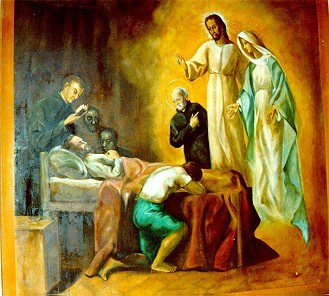 Today the Church liturgically remembers one of her missionary saints, Saint Peter Claver, (1580-1654) a Spainard who came from a very modest but known family heritage. Claver was influenced by what he heard and what he read in Jesuit houses of the missionaries. The brother porter-saint of Claver’s Jesuit house of studies, Alphonsus Rodriquez, frequently spoke of the need great work he could do in sharing the Gospel in mission lands. So moved to serve the Divine Majesty in a distant land, he requested of his superiors to be sent on mission to the New World. In what is known today as Columbia, South America, Claver worked with the negro-slaves teaching them the faith, and attending to their human and spiritual needs. In Claver’s eyes he took Saint Paul’s teaching that there are no distinctions in the Kingdom between Jew and Greek, slave or free, man or woman: all are the adopted children of God. As one person put it, for 33 years Father Peter Claver lavished love on the slaves that transcended the natural order. It was a love that confounded his religious superiors and the leaders in civil society of his day. It is reported that the saint brought to Christ 300K souls.
 David W. Dunlap of the NY Times wrote a piece earlier today, “Firefighters’ Names Endure in St. Patrick’s Towers,” talking about the legacy of the firefighters in the iconic St Patrick’s Cathedral. The article is a nice remembrance of those who inscribed their names following the 9/11 tradegy. Thanks to Msgr. Robert Ritchie and others who are committed to keeping the graffiti intact.

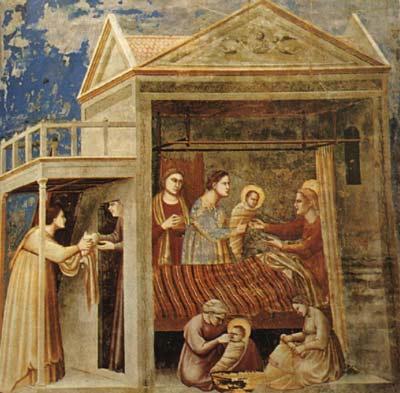
The feast of the nativity of the blessed Virgin Mary, born from the tribe of Judah, from the seed of Abraham and the race of King David, from whom the Son of God was born, made man through the Holy Spirit, that men might be freed from the ancient servitude of sin.
“…this feast of Mary’s birth should remind us of God’s loving plan” (Abp. Charles J. Chaput, Installation homily).
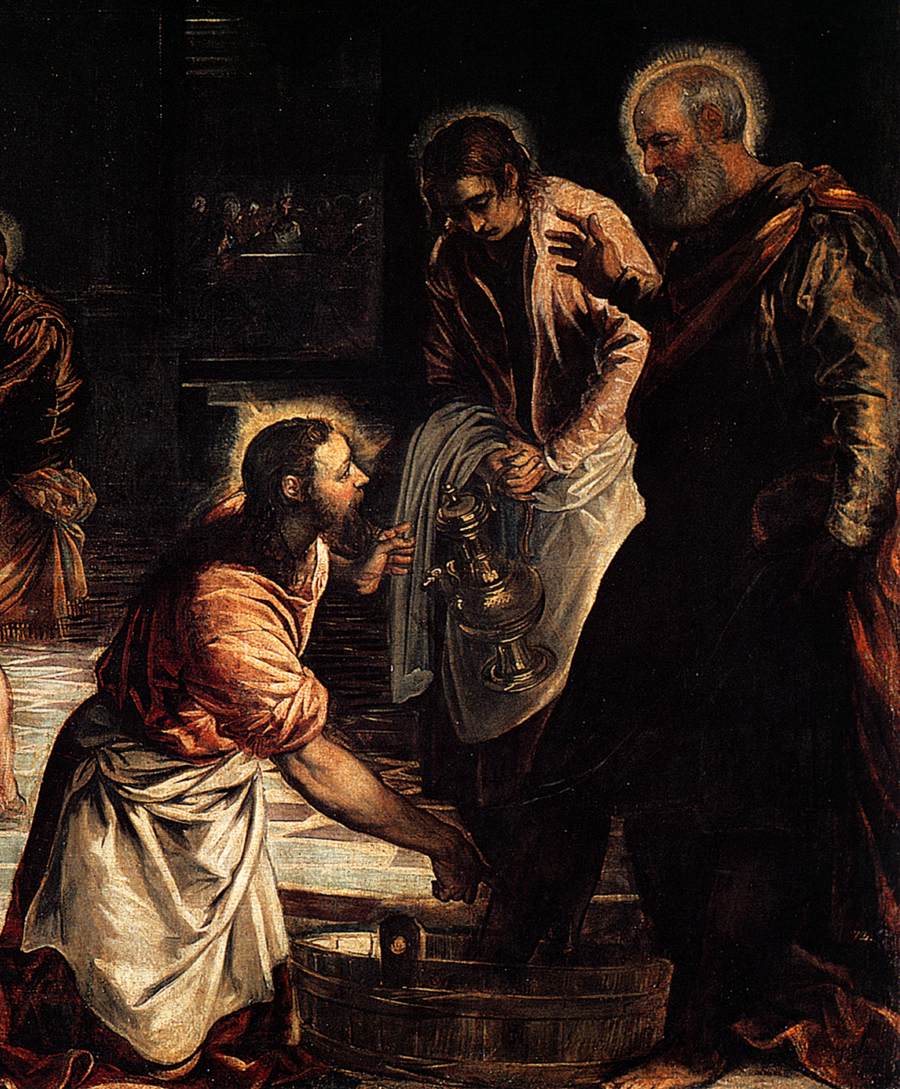 One of the themes from Oblate retreat this past weekend was humility. And from within the Gospel and Saint Benedict’s vision of humility Brother John Mark spoke about love and fraternal relations, particularly rubbing elbows in true charity with your brother and sister in community. A stone is only polished when it meets other stones.
Continue reading Fraternal love and correction essential, Pope reminds
The new Archbishop of Philadelphia, Charles Chaput, OFM, Cap., is doing what Saints Peter and Paul would have done: teach the Faith with clarity but pastorally: if you don’t accept the teachings of Christ as found in the New Testament and articulated by the Church, then you really aren’t Catholic. You may be Christian, but not really Catholic. Cafeteria Catholics –Catholics who pick-and-choose what to believe– don’t trust in Christ, nor do they believe in the objectivity of truth taught by the Church. The promises of Christ and the Church aren’t too good to be true. The teachings of Christ and the Church are the way, the truth and the life for all Christians. Chaput has been clear about what it takes to be an authentic Catholic and picking and choosing is not the method. Sorry.
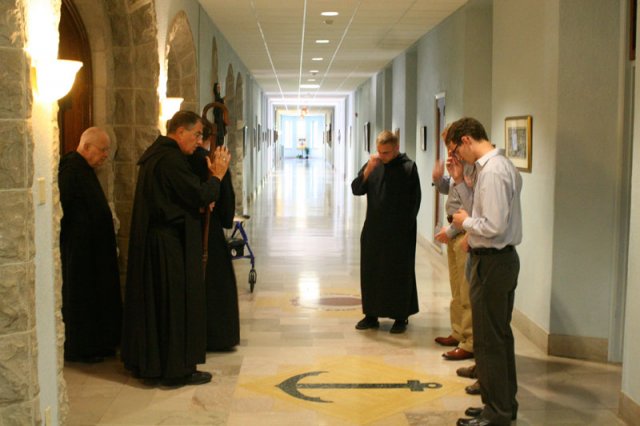
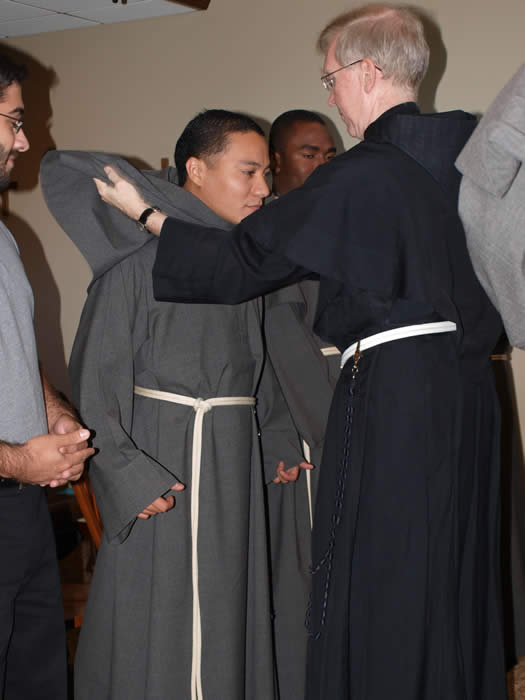
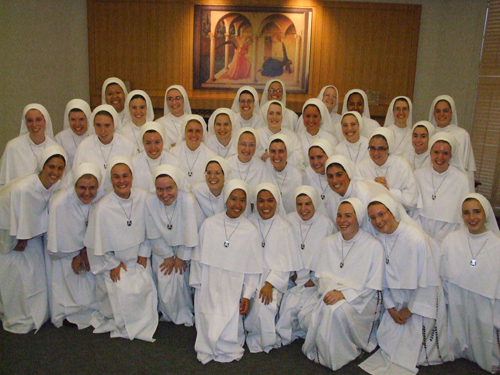
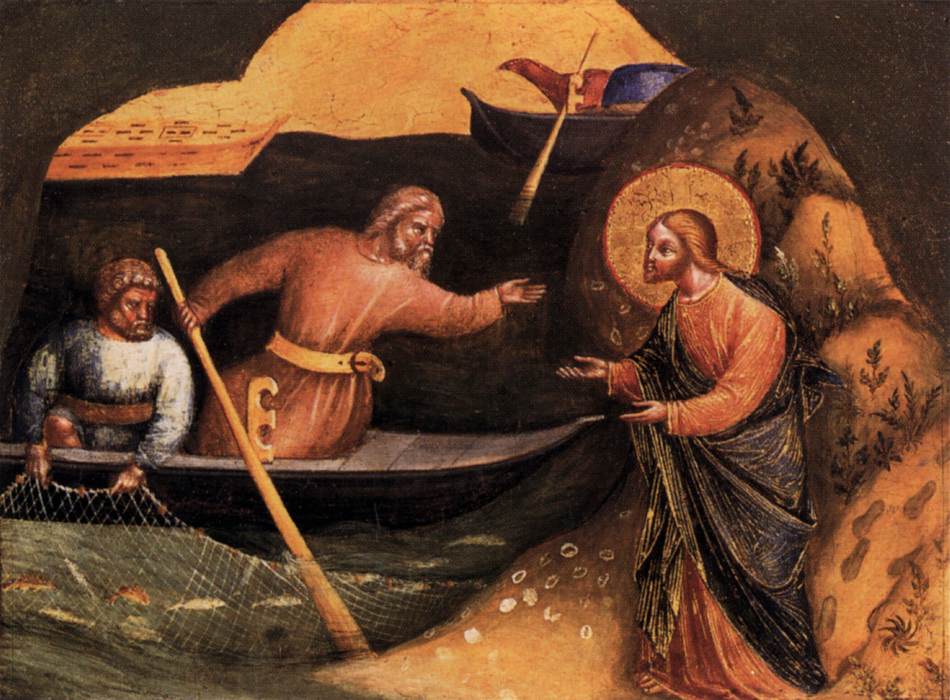 About this time of each year I look at the numbers of who professed vows, entered religious life and/or ordained of a select group of religious orders of the mixed, apostolic life and monasteries since Autumn 2010.

Continue reading John Paul II’s Laborem exercens makes 30 years