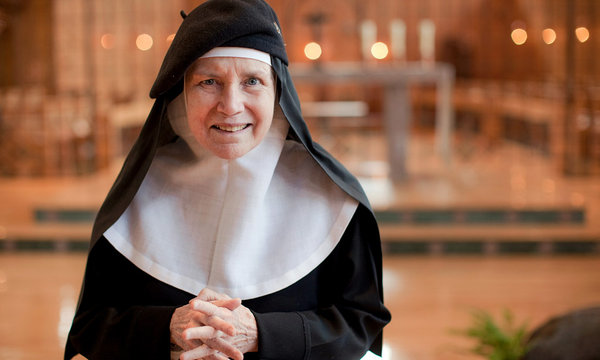
Benedictine nuns typically don’t go to the Oscars. For that matter, high profile actresses don’t consecrate themselves as Benedictine nuns. Dolores Hart did both.
Continue reading Nun hits Hollywood, again: Mother Dolores Hart turns heads
Benedictine nuns typically don’t go to the Oscars. For that matter, high profile actresses don’t consecrate themselves as Benedictine nuns. Dolores Hart did both.
Continue reading Nun hits Hollywood, again: Mother Dolores Hart turns heads
I’ve always been impressed by the saints and blesseds of the Passionist order. So many have them exemplify what the Christian of today face, Saint Gabriel Possenti and in my opinion help us to strive to be holy.
A Christian’s observance of Lent brings with it, I hope, a certain discipline of prayer. At The Church of Saint Catherine of Siena (411 East 68th Street, NYC) the Sundays in Lent Solemn Vespers will be celebrated at 4 pm.
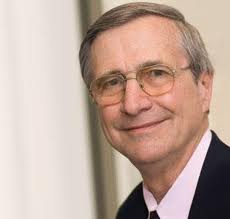
A week ago (February 18, 2012) Dr. Peter J. Kreeft, professor of Philosophy of Boston College and popular Catholic apologist delivered two lectures concerning the conflicts of culture, conscience, freedom and faith in which we find ourselves at these days.
A plenary indulgence is granted to the Christian faithful who:
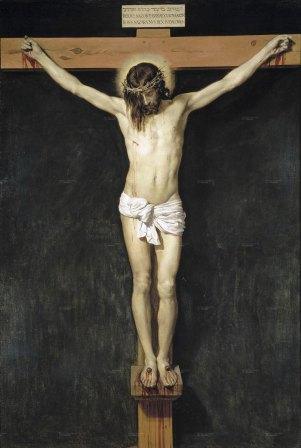
on any Friday in the season of Lent piously recite the prayer before an image of the Crucified Jesus Christ after communion; …
Behold, O good and most sweet Jesus, I fall upon my knees before Thee, and with most fervent desire beg and beseech Thee that Thou wouldst impress upon my heart a lively sense of faith, hope and charity, true repentance for my sins, and a firm resolve to make amends. And with deep affection and grief, I reflect upon Thy five wounds, having before my eyes that which Thy prophet David spoke about Thee, o good Jesus: “They have pierced my hands and feet, they have counted all my bones.”
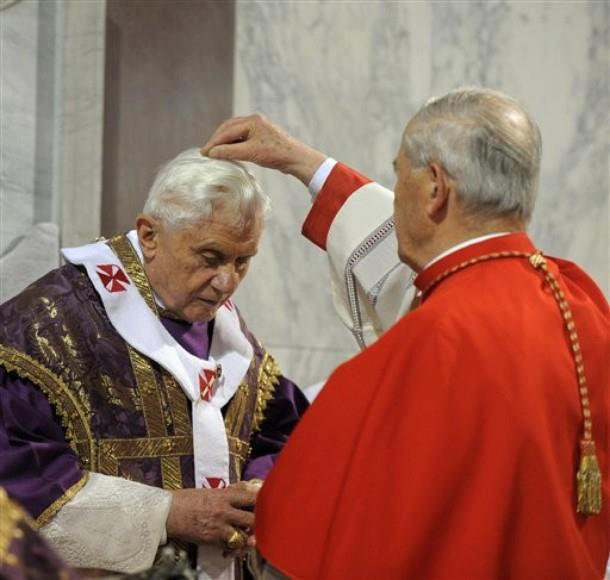
Pope Benedict XVI processed from the Benedictine Church of Saint Anselm to the Dominican Church of Saint Sabina on the Aventine Hill. A long standing tradition of the popes, though it was in abeyance for several years until 1979 when John Paul II revived the tradition. The Benedictine monks welcome the Pope and his entourage for a moment of prayer and reflective before processing to the 5th century church of the Dominican Friars where Holy Mass is celebrated with the distribution of ashes. As usual, Cardinal Tomko, the cardinal titular of Saint Sabina’s gave Benedict his ashes. The following homily of the Pope’s focusses on the origins of this humble sign that assists in our recognition of salvation. Is this our recognition, too?
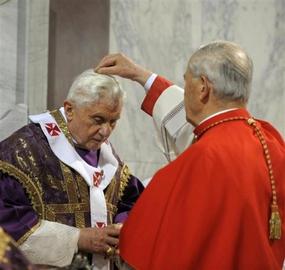
Ash Wednesday is a day of fasting and penance on which we begin a new journey towards the Easter of Resurrection, the journey of Lent. I would like to reflect on the liturgical sign of the ashes, a material sign, a natural element that, in the Liturgy, becomes a sacred symbol, so important on this day that marks the start of our Lenten journey. In ancient times, in the Jewish culture, it was common to sprinkle one’s head with ashes as a sign of penance, and to dress in sack-cloth and rags. For us Christians, there is this one moment which has important symbolic and spiritual relevance.
Ashes are the material sign that brings the cosmos into the Liturgy. The most important signs are those of the Sacraments: water, oil, bread and wine, which become true sacramental elements through which we communicate the Grace of Christ who comes among us. The ashes are not a sacramental sign, but they are linked with prayer and the sanctification of the Christian people. Before the ashes are placed on our heads, they are blessed according to two possible formulae: in the first they are called “austere symbols”, in the second, we invoke a blessing directly upon them, referring to the text in the Book of Genesis which can also accompany the imposition of the ashes: “Remember that you are dust and unto dust you shall return”.
Continue reading Lent 2012: we, prodigal children, can return
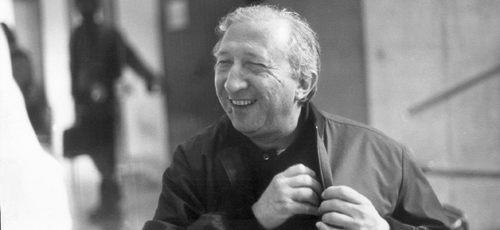
Father Julián Carrón, the President of the Fraternity of Communion and Liberation, the ecclesial movement founded Father Luigi Giussani (who died 7 years ago today) and which was approved by the Church 30 years this past February 11, gave the preliminary research to Angelo Cardinal Scola, Archbishop of Milan, to open the diocesan phase of investigating the eventual beatification and canonization of Father Luigi Giussani.
Lent needs some explanation. The liturgical season is so vast and complex one needs to enter into this period of preparation for Easter with eyes wide open. It is a time for our conversion. The famous 19th century Benedictine monk Dom Prosper Guéranger (founder and Abbot of the Abbey of Solesmes 1837-1875) wrote brilliantly of the our Christian life of prayer in a multi-volume collection that is unfinished, The Liturgical Year. While Guéranger’s images are typical of the 19th century, they remain crucial, I contend.
Here is his piece on Lent:
Yesterday, the world was busy in its pleasures, and the very children of God were taking a joyous farewell to mirth: but this morning, all is changed. The solemn announcement, spoken of by the prophet, has been proclaimed in Sion: the solemn fast of Lent, the season of expiation, the approach of the great anniversaries of our Redemption. Let us, then, rouse ourselves, and prepare for the spiritual combat.
Continue reading Lent: When fallen humanity humbles himself before divine justice
“…is essentially a gesture of humility, which means that I recognise myself for what I am: a fragile creature made of earth and destined to return to the earth, but also made in the image of God and destined to return to him.” (Benedict XVI)
The pope’s teaching is heard here…
Prayer
In preparation for today, Ash Wednesday, pray with the readings for the day: Joel 2:12-18; Psalm 51, 12-13, 14 and 17; 2 Corinthians 5:20-6:2; Matthew 6:1-6, 16-18. It is a great lenten practice to review and pray with the daily scripture readings during Lent by visiting the U.S. bishops’ website, www.usccb.org/bible/readings.
Asking Lord for forgiveness by receiving the Sacrament of Reconciliation and attending daily Mass.
Spending time with the Lord in the Blessed Sacrament is a superb spiritual practice. 15 minutes in quiet prayer is a true blessing. Time in silence and listening to the Lord and you talking with the Lord from your heart builds a relationship with Him.
Pray the Rosary.
Let’s pray for one another.
Continue reading Lent’s begun: let’s do spiritual battle against sin
The Byzantine Catholic Church, along with the Maronite
Church, begin the Lenten observance. The Byzantines call today Clean Monday,
the first day of the Great Fast. Maronites call today “Ash Monday.” The
Byzantine Orthodox Church will open their Lent on Monday, February 27.
Continue reading Melkite and Maronite Churches begin Lent today