“One of the hallmarks of Pope Benedict XVI’s papacy has been his emphasis on the need for an authentic encounter with Christ. Monsignor Giussani’s principles help us understand just how that can happen.”
Father Dwight Lonenecker
“One of the hallmarks of Pope Benedict XVI’s papacy has been his emphasis on the need for an authentic encounter with Christ. Monsignor Giussani’s principles help us understand just how that can happen.”
Father Dwight Lonenecker
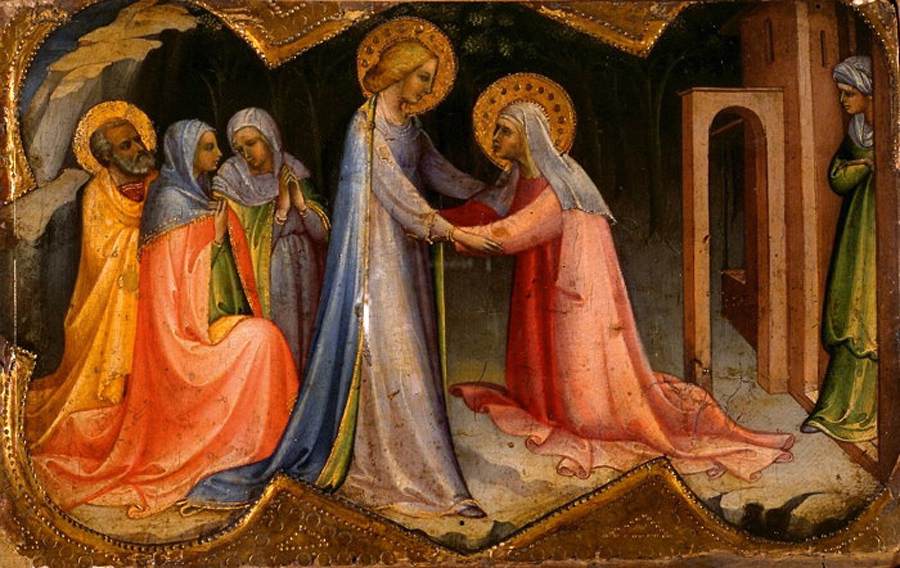
The Word of God is not a literary expression, but is the indication of an event, it is always a fact: the Word of God is Christ. His word starts from the promise of an event. The figure of the Virgin is completely filled with memory, the word of her people, stretching completely toward the meaning of these events (the Angel’s announcement, Elizabeth’s greeting). This is why Elizabeth used the highest form of address: ‘Blessed is she who believed in the fulfillment of the Word of the Lord.’
Monsignor Luigi Giussani
In our continuing reflection on prayer in the letters of Saint Paul, we now consider the Apostle’s striking affirmation that Jesus Christ is God’s “Yes” to mankind and the fulfillment of all his promises, and that through Jesus we say our “Amen”, to the glory of God (cf. 2 Cor 1:19-20). For Paul, prayer is above all God’s gift, grounded in his faithful love which was fully revealed in the sending of his Son and the gift of the Holy Spirit. The Spirit, poured forth into our hearts, leads us to the Father, constantly making present God’s “Yes” to us in Christ and in turn enabling us to say our “”Yes” – Amen! – to God. Our use of the word “Amen”, rooted in the ancient liturgical prayer of Israel and then taken up by the early Church, expresses our firm faith in God’s word and our hope in his promises. Through this daily “Yes” which concludes our personal and communal prayer, we echo Jesus’ obedience to the Father’s will and, through the gift of the Spirit, are enabled to live a new and transformed life in union with the Lord.
Pope Benedict XVI
30 May 2012
We invite you to see For Greater Glory in theaters June 1st.
For theater listings please visit www.forgreaterglory.com today!
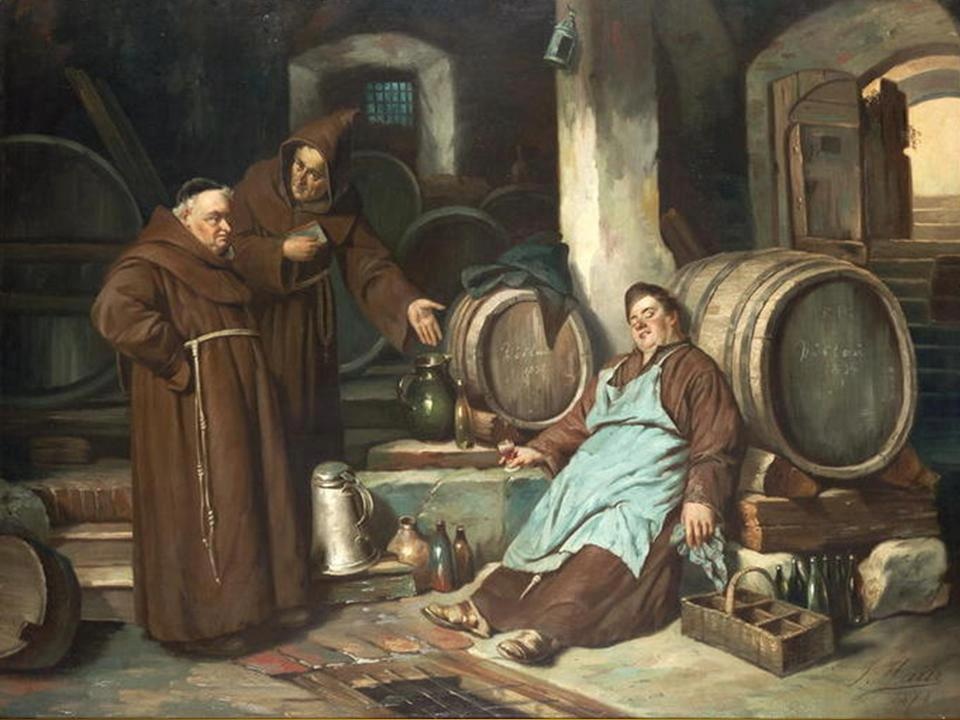
I am slowly reading a book written by Dom Michael Casey, a Cistercian monk from the Abbey of Tarrawara (Australia), The Road to Eternal Life, a series of reflections on the Prologue of the Rue of St Benedict. With all the talk of being a good witness and yesterday’s emphasis on our destiny in Christ, I thought Dom Michael’s reflection on boasting in the Lord makes some sense for us today. I recommend the book.
“And again he says, ‘Let the one who boasts, boast in the Lord’.” (2 Cor 10:17 quoted in the Rule of St Benedict, Prologue v. 32)
The one in the New Testament who speaks most about boastfulness is Saint Paul. He sees boasting as an expression of an autonomy that weakens a person’s total reliance on God-that is, it weakens faith. Those who think that religion is simply a matter of conforming to the precepts of the law, or perhaps so twisting the precepts of the law so that they are comfortable, have not yet learned the art of putting their trust in God, relying on God’s mercy. They are locked into the schemes of self-perfection that they themselves have crafted. The end of such self-assurance can be only disaster. As Saint Ignatius of Antioch wrote to Polycarp, “The one who boasts has already come to nothing”.
Continue reading Be living sacraments of Christ’s presence in the world leading all to eternal life
 Heavenly King,
Reminding us that the Holy Spirit “continues to inspire women and men who engage in the pursuit of truth” Pope Benedict announced that on October 7, at the beginning of the Ordinary Assembly of the Synod of Bishops, he would proclaim St. John of Avila and St. Hildegard of Bingen as Doctors of the Church. “These two great witnesses of the faith lived in very different historical periods and came from different cultural backgrounds,” he said. “But the sanctity of life and depth of teaching makes them perpetually present: the grace of the Holy Spirit, in fact, projected them into that experience of penetrating understanding of divine revelation and intelligent dialogue with the world that constitutes the horizon of permanent life and action of the Church.”
The Pope continued: “Especially in light of the project of the New Evangelization, to which the Assembly of the Synod of Bishops will be dedicated, and on the vigil of the Year of Faith, these two figures of saints and doctors are of considerable importance and relevance.”
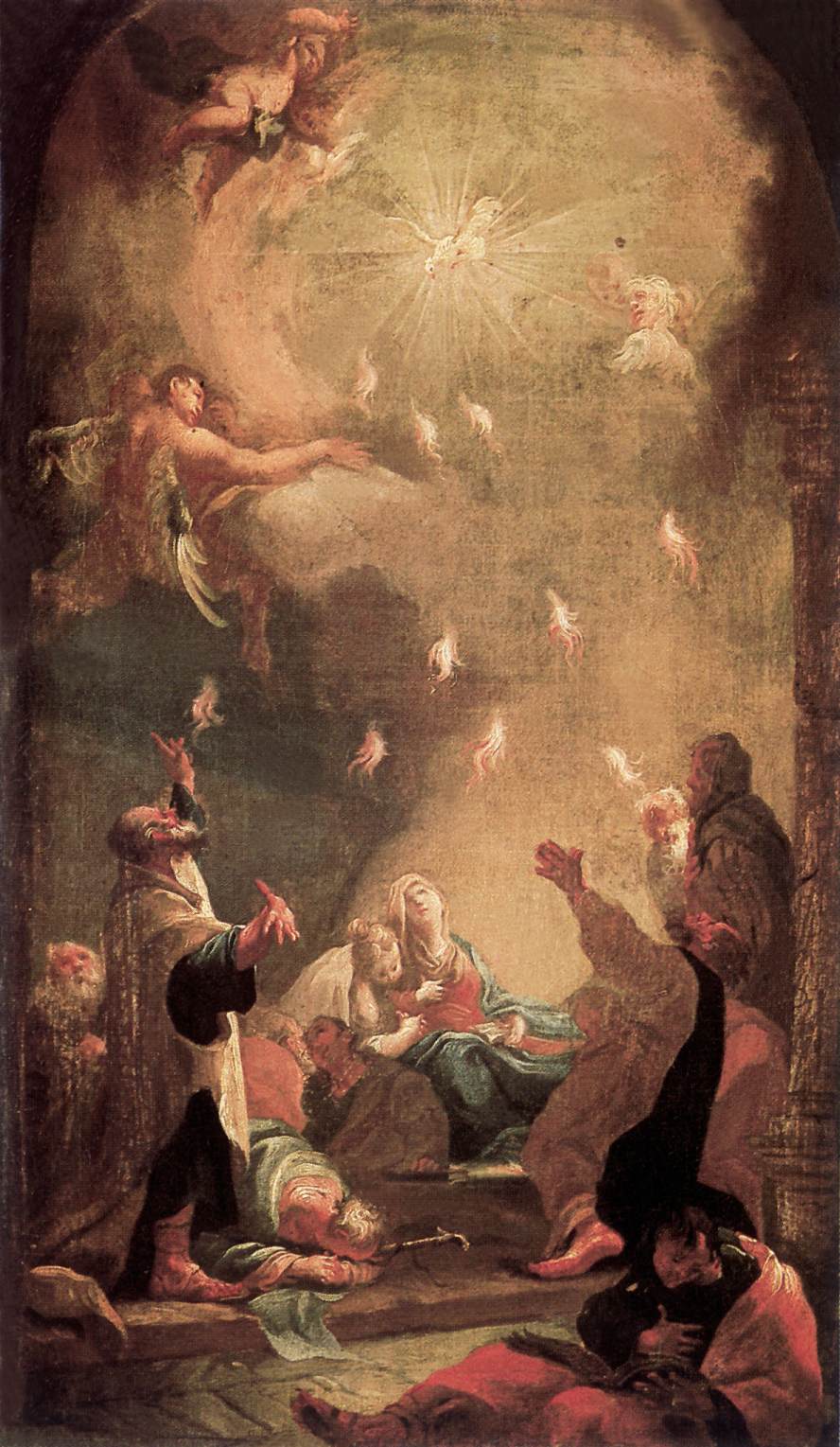
I am happy to celebrate this Holy Mass with you – a Mass animated by the Choir of the Academy of Santa Cecilia and by the Youth Orchestra, which I thank – on this Feast of Pentecost. This mystery constitutes the baptism of the Church, it is an event that gave the Church the initial shape and thrust of its mission, so to speak. This shape and thrust are always valid, always timely, and they are renewed through the actions of the liturgy, especially.
This morning I want to reflect on an essential aspect of the mystery of Pentecost, which maintains all its importance in our own day as well. Pentecost is the feast of human unity, understanding and sharing. We can all see how in our world, despite us being closer to one another through developments in communications, with geographical distances seeming to disappear – understanding and sharing among people is often superficial and difficult. There are imbalances that frequently lead to conflicts; dialogue between generations is hard and differences sometimes prevail; we witness daily events where people appear to be growing more aggressive and belligerent; understanding one another takes too much effort and people prefer to remain inside their own sphere, cultivating their own interests. In this situation, can we really discover and experience the unity we so need?