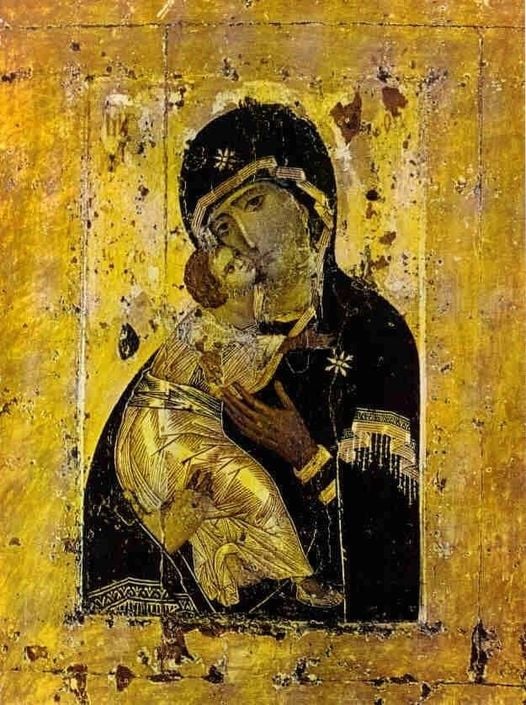
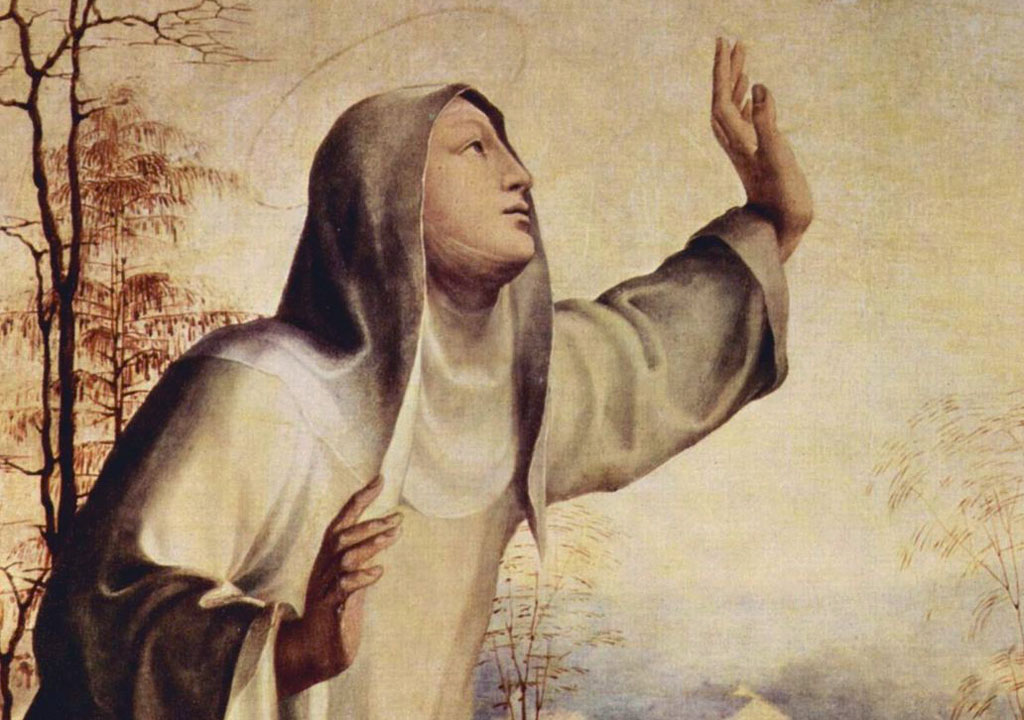
| Whether you are an Eastern Christian or a Western Christian, it is said that we are at mid-lent. The intensity of prayer, fasting and almsgiving ramps up to discipline or body, mind and soul in preparation to receive the graces of Holy Week and then Easter. The following text from Saint Ambrose, Bishop and Doctor of the Church, will give us perspective thus helping us to reflect upon our spiritual journey thus far. Many of us will weaken in our lenten observance. But don’t that happen. There is much at stake. |
| St Ambrose’s preaching: Give thanks, Brethren, to the Divine Mercy which has brought you safely halfway through the season of Lent. For this favor they give praise to God, thankfully and with devotion, who in these days have striven to live in the manner which they were instructed at the beginning of Lent; that is, those who, coming with eagerness to the Church, have sought with sighs and tears, in daily fasting and almsdeeds, to obtain the forgiveness of their sins. They, however, who have neglected this duty, that is to say, those who have not fasted daily, or given alms, or those who were indifferent or unmoved in prayer, they have no reason to rejoice, but rather, unhappy that they are, for mourning. Yet let them not mourn as if they had no hope; for He Who could give back sight to the blind from birth (cf. Jn 9), can likewise change those who now are lukewarm and indifferent into souls fervent and zealous in His service, if with their whole heart they desire to be converted unto Him. Let such persons acknowledge their own blindness of heart, and let them draw near to the Divine Physician that they may be restored to sight. Would that you might seek the medicine of the soul when you have sinned, as you seek that of the body when you are ill in the flesh. Who now in this so great assembly were he condemned, not to be put to death, but to be deprived of his sight only, would not give all he possessed to escape the danger? And if you so fear the death of the flesh, what do you not fear more than the death of the spirit, especially since the pains of death, that is, of the body, are but of an hour, whilst the death of the soul, that is, its punishment and its grieving, has no end? And if you love the eyes of your body, that you soon will lose in death, why do you not love those eyes of the soul by which you may see your Lord and your God forever? Labor therefore, Beloved Children in the Lord, labor while it is yet day; for as Christ Our Lord says, The night cometh, when no man can work (Jn 4:4). Daytime is this present life; night is death, and the time that follows death. If after this life there is no more freedom to work, as the Truth tells us, why then does every man not labor while he yet lives in this world? Be fearful, Brethren, of this death, of which the Savior says: The night cometh, when no man can work. All those who now work evil are without fear of this death, and because of this, when they depart from this life they shall encounter everlasting death. Labor while yet ye live, and particularly in these days; fasting from delicate fare, withholding yourselves at all time from evil works. For those that abstain from food, but do not withhold themselves from wickedness, are like to the devil, who while he eats not, yet never ceases from evildoing. And lastly, you must know that what you deny yourself in fasting, you must give to heaven in the poor. Fulfill in work, Brethren, the lesson of this day… lest there come upon you the chastisement of the Jews. For they said to the blind man: Be thou his disciple (Jn 9:28). What does being a disciple of Christ mean if not to be an imitator of His compassion, and a follower of His truth and humility? But they said this meaning to curse the man. Instead it is a truly great blessing, to which you may also attain, by His grace Who liveth and reigneth unto ages of ages. Amen. |
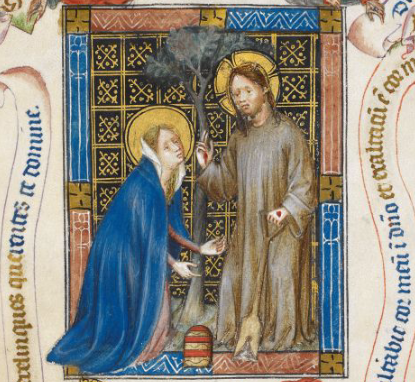
| God invites us today to recommit ourselves to the disciplines of this holy season. Keep in mind, the end of our journey is in sight: the feast of the Holy Resurrection –Pascha – Easter. |
St Rafka
Rafka Pietra Choboq Ar-Rayes
Sunday of the Holy cross
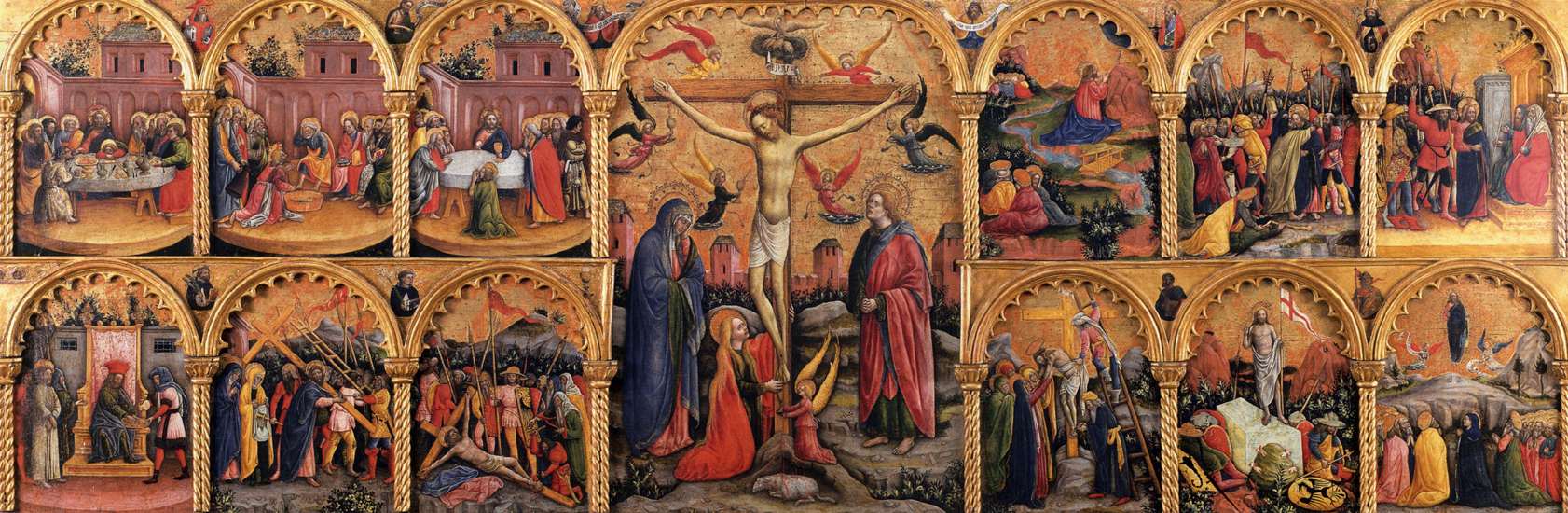
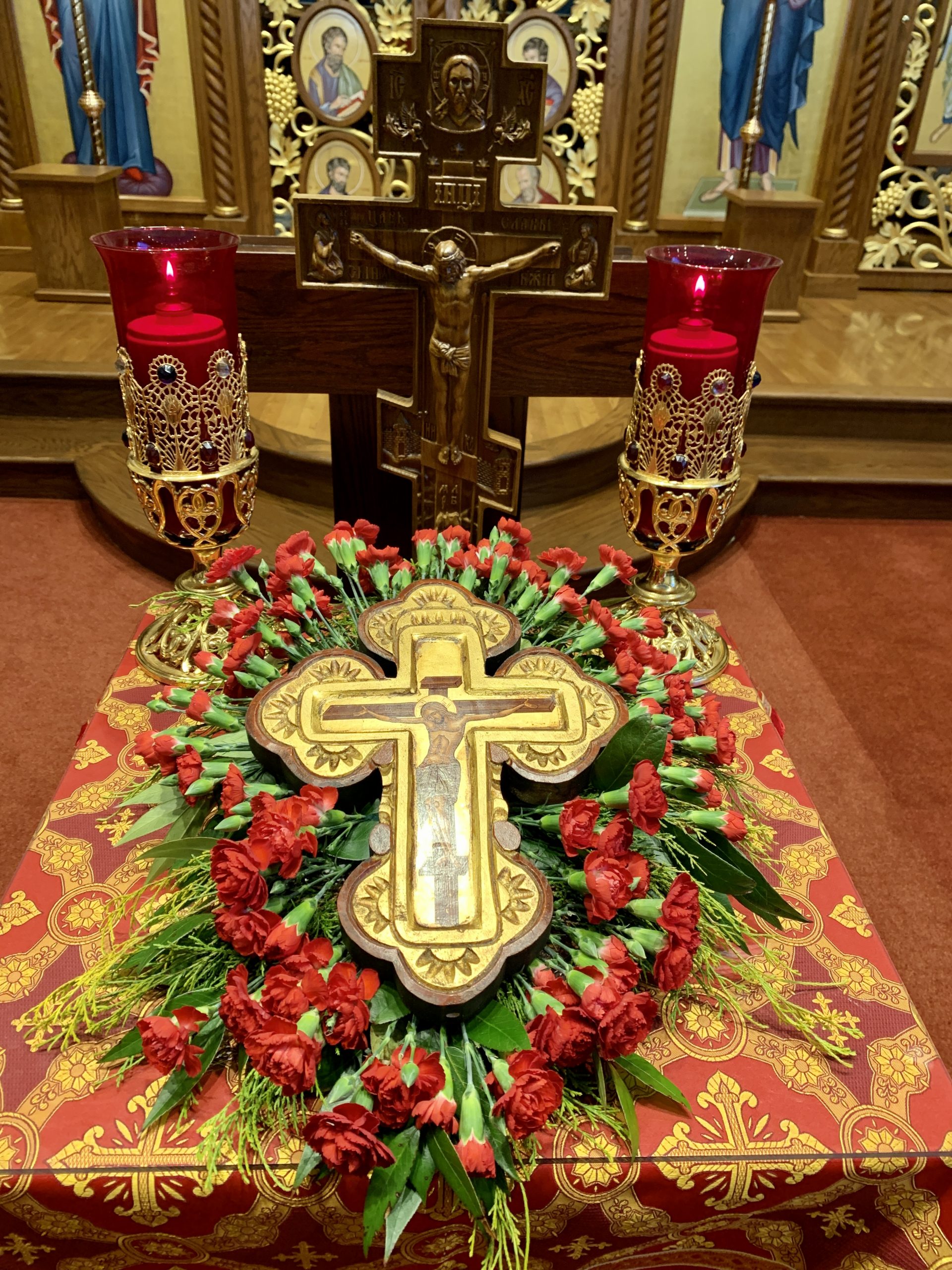
Today in the Byzantine Catholic Church it is the Sunday of the Holy Cross. It is a day on which we recall that wood heals wood, the wood of the cross heals the wood that tree in paradise we were told not to eat from. Today we venerate the Holy Cross and it signals mid-Lent. As members of the Order of the Holy Sepulchre of Jerusalem we are keenly aware that the cross is intimately connected with the Lord’s victory over death, and thus our salvation.
St John Chrysostom teaches us:
“Therefore, no one should be ashamed of the venerable symbols of our salvation: of the cross, which is the summit of our goods, for which we live and are what we are. Instead, let’s carry the cross of Christ like a trophy everywhere! All things, among us, reach their fulfillment by means of the cross. When we have to be reborn, the cross becomes present; when we feed on the mystical food; when we are consecrated ministers of the altar; when other mysteries are fulfilled, this symbol of victory is always present there.”
Homily on Matthew 54, 551B-552A.
St Joseph

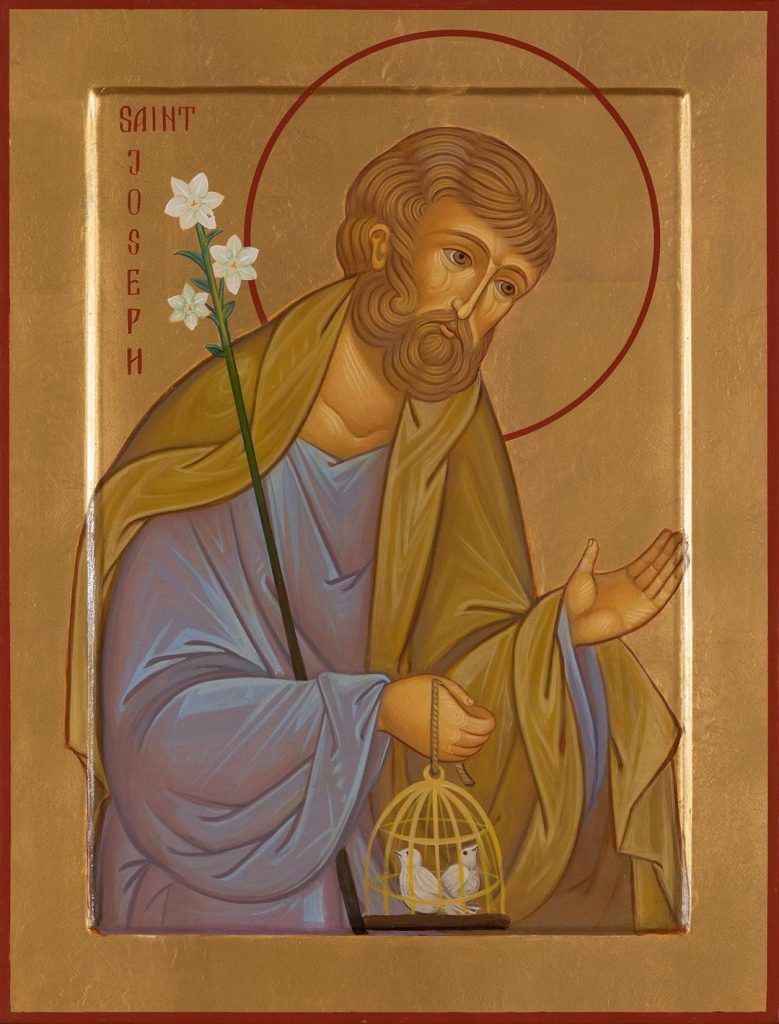
Today’s the feast of St Joseph, “a righteous man” (Matthew 1:19).
Prayer of Pope Leo XIII to St Joseph:
In our tribulations we turn to thee, O Blessed Joseph; and after imploring the help of thy most holy Spouse we ask with confidence for thy patronage. By the affection which united thee to the Immaculate Virgin, Mother of God, and the paternal love with which thou didst embrace the Child Jesus, we beseech thee to look kindly upon the inheritance which Jesus Christ acquired by His precious blood, and by thy powerful aid to help us in our needs.
Protect, most careful Guardian of the Holy Family, the chosen people of Jesus Christ. Keep us, most loving Father, from all pestilence of error and corruption. Be merciful to us, most powerful protector, from thy place in heaven, in this warfare with the powers of darkness; and, as thou didst snatch the Child Jesus from the danger of death, so now defend the holy Church of God from the snares of the enemy and from all adversity. Guard each of us by the perpetual patronage, so that, sustained by thy example and help, we may live in holiness, die a holy death, and obtain the everlasting happiness of heaven. Amen.
A queen revealed

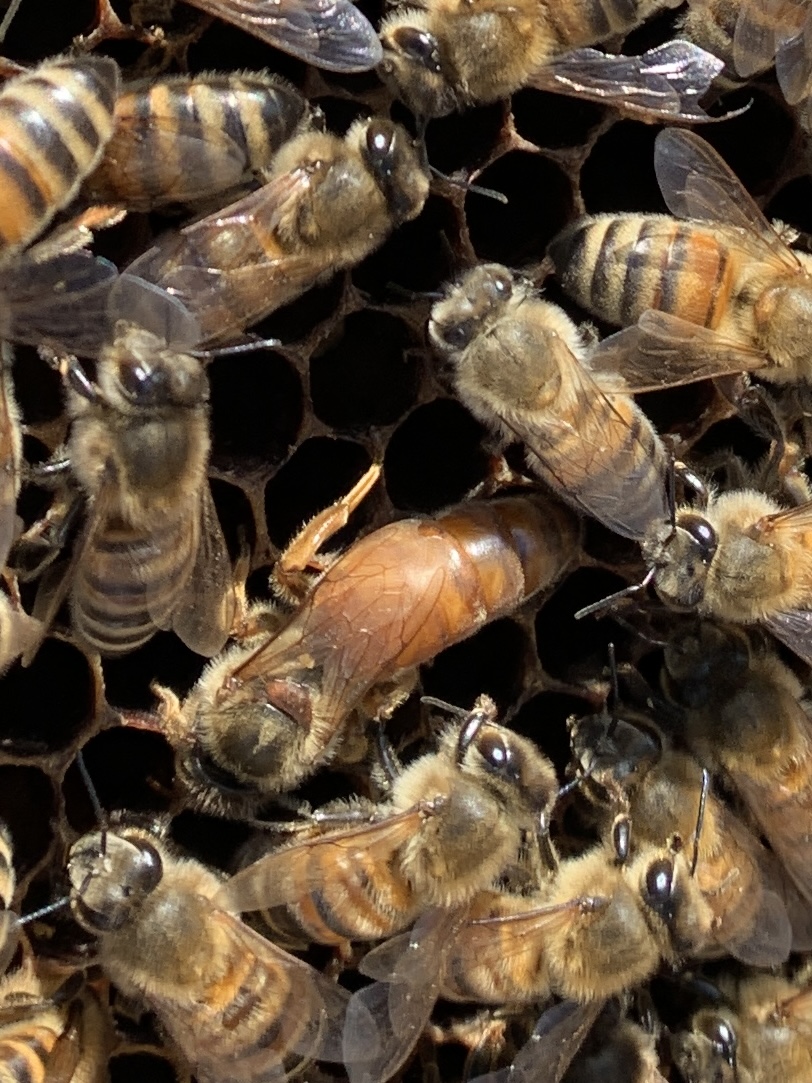
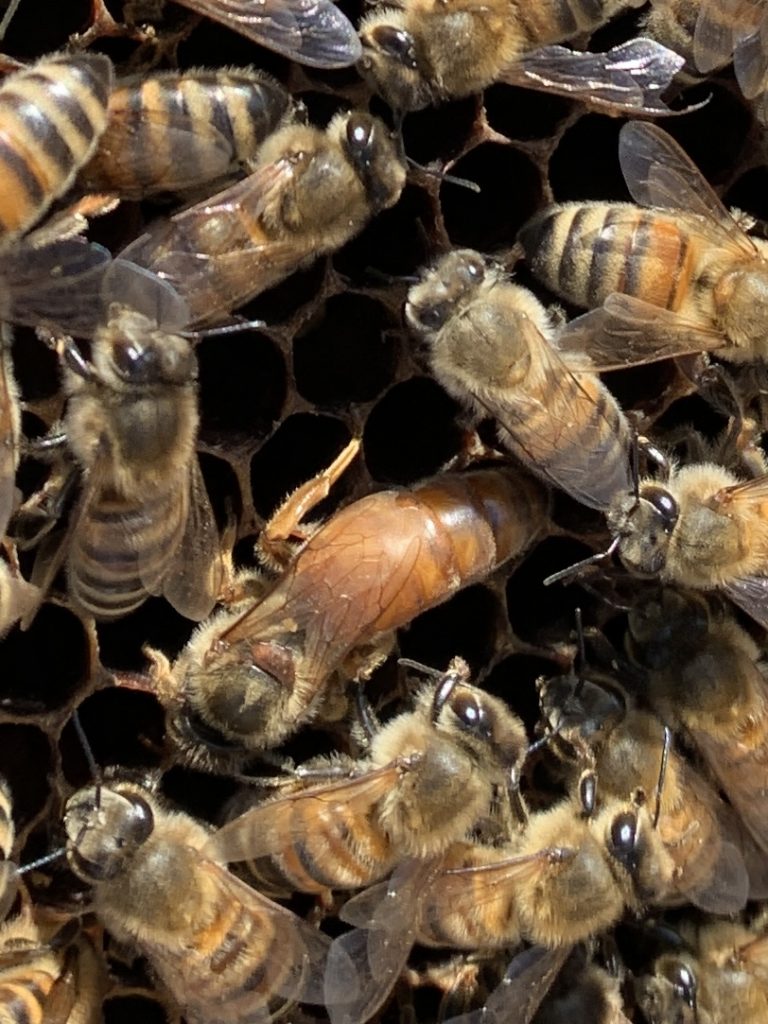
Spring is time to clean out debris from the bottom board of the hive and to locate the queen, or at least to see the results of the queen’s work by noting if there are eggs and capped brood. These last days I have been going through my hives and of the hives that over-wintered, all of the queens are reigning.
The queen is the mother of the hive. She sets the tone until or unless, the community of bees decides otherwise.
Thanks be to God and the guardian angels of the bees.
Save the bees, save the Church.
Neri 400 years a saint
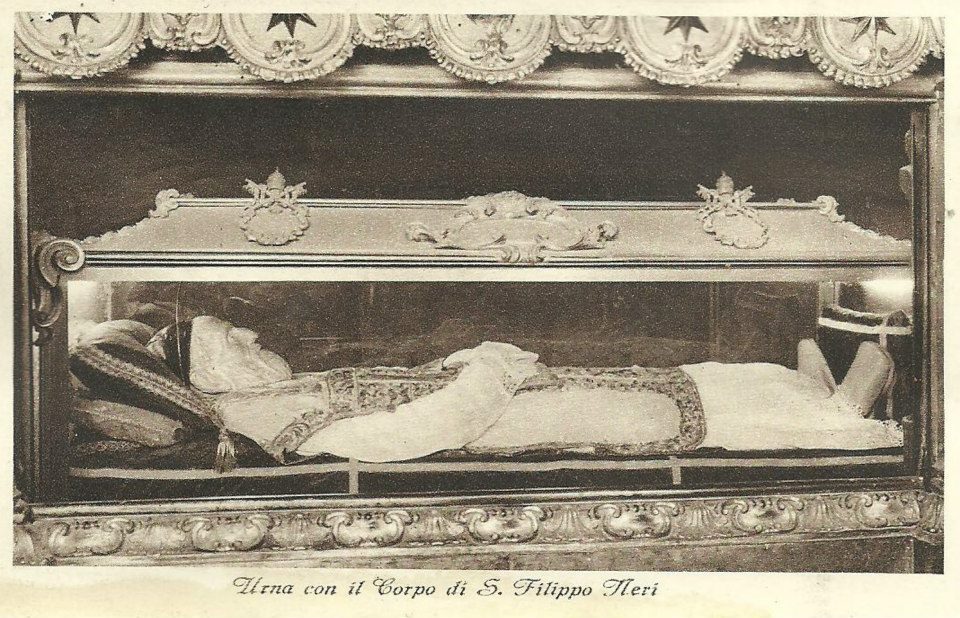
Today, March 12th is the 400th anniversary of the canonization of St Philip Neri, the Apostle of Rome.
“We are not saints yet, but we, too, should beware. Uprightness and virtue do have their rewards, in self-respect and in respect from others, and it is easy to find ourselves aiming for the result rather than the cause. Let us aim for joy, rather respectability. Let us make fools of ourselves from time to time, and thus see ourselves, for a moment, as the all-wise God sees us. (St Philip Neri)
International Day of Women
Happy International Women’s Day!
May Mary, the Great Mother of God, intercede for all women and inspiring them in living out their vocation!
prayer for peace in Ukraine
Prayer For Peace in Ukraine
O Lord our God, look down with mercy on the Ukrainian people. Protect and save them from the unjust aggressors who seek to subdue them. Grant them steadfast trust in your mercy and protection.
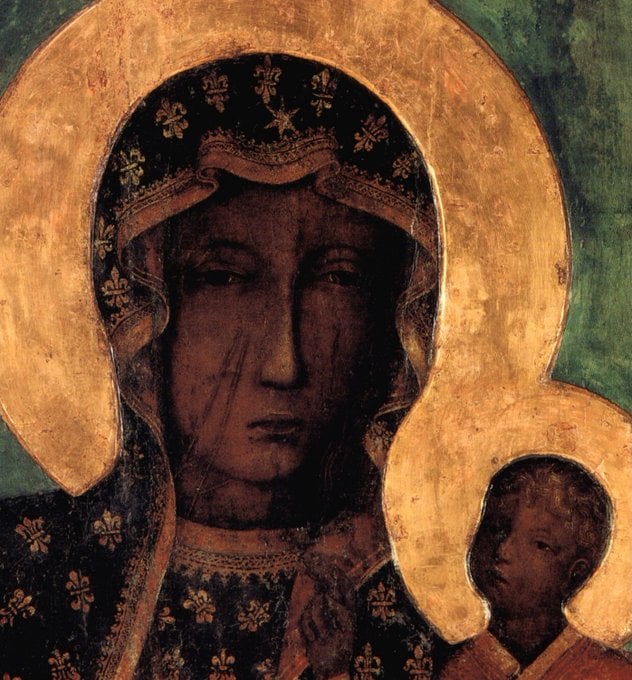
O Mother of God, who gave us your miraculous icon at Zarvanytsia, intercede for the Ukrainian people, who run to the shelter of your mercy in their times of need. O Lord Jesus Christ, have mercy on us.
Grant peace and protection to the people of Ukraine. Give them strength and courage to defend what is good, right, and holy. Keep them safe from harm and provide for all their needs, both temporal and spiritual.
Hear our prayers, O Lord, and deliver us from distress, for You are merciful and compassionate and love mankind.
To You we give glory: the Father, the Son, and the Holy Spirit, now and forever and ever. Amen.
HOLY DESIRE
“The reason we cannot have this sort of peace in this life is that our desire is not completely satisfied until we reach this union with the divine Being. As long as we are pilgrim travelers in this life we have only desire and hunger: desire to follow the right path, and hunger to reach our final destination. This desire makes us run along the way, the road cemented by Christ crucified. For if we had no longing for God as our destination, we would have no concern for wanting to know the way. I want you, then, to have an ever greater true holy desire to follow this way, the road that will bring you to your destination. . .
Take your lesson from Christ, who in his restlessly yearning hunger and thirst for our salvation cried out from the wood of the most holy cross, ‘I thirst!’ It is as if he were saying: ‘I am more longingly thirsty for your salvation than I can show you through this finite suffering.’ Yes, he is tortured with physical thirst, but that suffering is finite. It is the pain of holy desire, shown us in his thirst for the human race, that is infinite.”
(St. Catherine of Siena)
St Gregory of Narek: the Word that Heals

This is the first time I am highlighting the life of St Gregory of Narek, a saint venerated by the Armenian Orthodox, the Armenian Catholic and the Latin Catholic Churches. Gregory was canonized and recognized as a Doctor of the Church by Pope Francis in 2015.
Many don’t know the 10th century Armenian monk but he’s most known for his “Book of Lamentations”, the “Book of Prayers” of depth and scope; scholars will say it is timeless piece of Armenian literature. Gregory himself said this work was an “encyclopedia of prayer for all nations” and as his final testament, “Its letters like my body, its message like my soul.” The Armenian Church calls Gregory her greatest poet and mystic.
Here is a beautifully insightful video on St Gregory of Narek written and narrated by Robert Ervine, professor at the Armenian Seminary in New York.
While the Church has not yet established his patronage it is widely accepted that St Gregory of Narek is the patron saint who works against the diseases of the mind, including schizophrenia, stress symptoms, depression, Hepatitis C, and periodic unexplained disease of the body.
Let’s leave the final word today on Gregory with St John Paul II who wrote in a 2001 apostolic letter marking the 1,700th anniversary of Christianity in Armenia, praising St. Gregory of Narek as one who “probed the dark depths of human desperation and glimpsed the blazing light of grace that shines even there for believers.”
St Gregory of Narek, pray for us.