The Time of the Holy Spirit is now

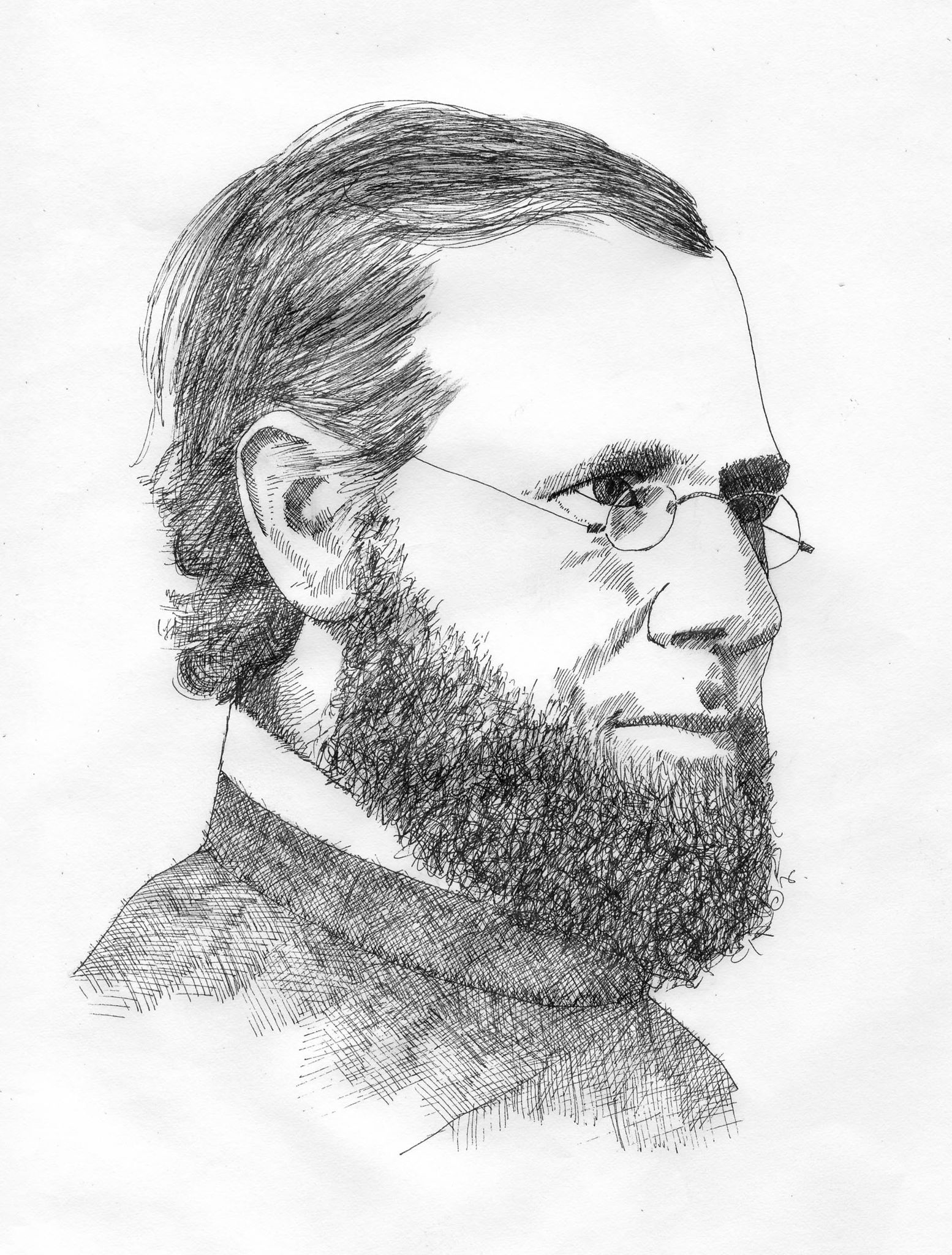
Issac Hecker.jpg

In the days leading up to the great feast of Pentecost which we celebrate next week, it seems right that we look to what we know and believe about the gift of the Holy Spirit, the Advocate sent to us by the Trinity. 


We need to work in a concerted way to educate our religious sense on the gifts of the Holy Spirit that were given in the sacraments of Initiation. The Holy Spirit is not talked about too often in the teaching of the faith and you rarely hear of the Spirit in homilies. I would love to see a parish provide as part of their formation of adults an in-depth course on the gifts of the Holy Spirit.

It is noted by many that we lack a firm grasp of how the Holy Spirit leads and guides each one of us, and how the Spirit is the agent in the sacred Liturgy (Mass and the Divine Office). The Paulist Fathers’ evangelization work has mentioned recently that “Until we appropriate the Holy Spirit more fully in our Catholic consciousness, we will not have the spirituality to do the reaching out, welcoming, inviting, and sharing that are essential parts of our Catholic life and mission. Father Isaac Hecker, Servant of God, founded the Paulist Fathers will a strong spirituality of the Holy Spirit. Part of his cause for canonization might well include a greater awareness of the Spirit in our American/Canadian Catholic lives.”


Father Isaac Hecker is one of America’s priests who took evangelization and adult faith formation seriously. Let’s take inspiration from him.

New Haven Orthodox Christians celebrate Pascha

() - Emblems of belief available for placement...

The beauty and triumph of the Lord Jesus over death by His own death on the cross and subsequent resurrection from the dead is sadly celebrated by Christians on different dates. The divisions are scandalous. Western Christians had Easter on March 31, and Orthodox Christians will have their Easter, or Pascha, tonight. I hope, one day soon, all Christians can witness to the Lord’s resurrection on the same day. As Jesus said, ‘that they be one.”

In the meantime, New Haven’s Greek Orthodox community is small yet lively at Saint Basil’s Church. Connecticut has a rich history of Eastern Christianity, one that still needs to be told and appreciated. Ed Stannard of The New Haven Register wrote a story on the festivity and hope of Saint Basil’s.
Enhanced by Zemanta

Francis and Ignatius – saints who rebuilt the Church

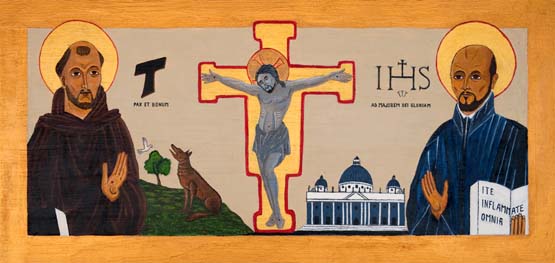
Francis and Ignatius.jpeg

I read this narrative in one of the newsletters I receive. Very curious on these things work out, no?

When the parish priest of a beautiful village of Provence, South of France, asked in January for a new work of art for his parish, he couldn’t imagine that his command would meet the joyful events of the whole church, and of the Society. As this diocesan priest was very close to the Franciscans, and to the Jesuits, he asked a parishioner to create a drawing of St Ignatius and St Francis, and another to transform it in a wood bas relief for his parish. The project was going on, when the new pope, a Jesuit, decided to call himself Francis. This drawing had suddenly a more universal signification, and the artist transformed it also into an icon. Every Jesuit will be able to read it and to appreciate its symbols.

Saints Philip and James

philip and James.jpg

Today we celebrate the feast of Saints Phillip and James, apostles: those who bore witness to the Truth.

Philip was born at Bethsaida and started as a disciple of John the Baptist. After the Baptist’s death he followed Christ. It is said that Saint Philip preached the Gospel in Asia and southern Russia.

James, a cousin of the Lord, was the son of Alphaeus. He led the Church at Jerusalem; wrote an epistle; lived an austere life; and converted many to the Faith. He was crowned with martyrdom in the year 62.

Saints Phillip and James pray for us!

Mary, the Mother of God is united with the Church, St Ambrose teaches

ambrose1.jpg

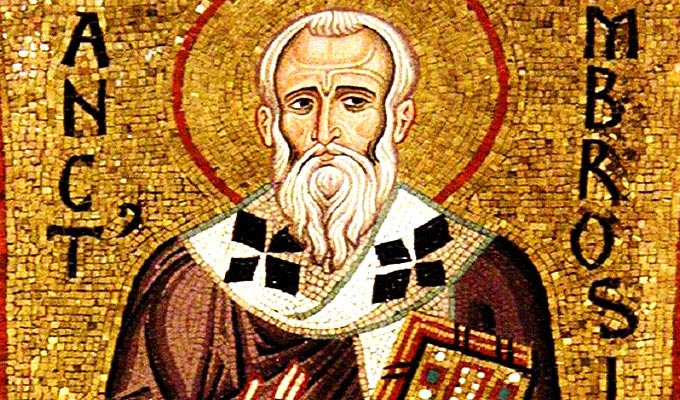
By reason of the gift and role of divine maternity, by which she is united with her Son, the Redeemer, and with His singular graces and functions, the Blessed Virgin is also intimately united with the Church. As St. Ambrose taught, the Mother of God is a type of the Church in the order of faith, charity and perfect union with Christ.  For in the mystery of the Church, which is itself rightly called mother and virgin, the Blessed Virgin stands out in eminent and singular fashion as exemplar both of virgin and mother.  By her belief and obedience, not knowing man but overshadowed by the Holy Spirit, as the new Eve she brought forth on earth the very Son of the Father, showing an undefiled faith, not in the word of the ancient serpent, but in that of God’s messenger. The Son whom she brought forth is He whom God placed as the first-born among many brethren, namely the faithful, in whose birth and education she cooperates with a maternal love.


Second Vatican Council 

Lumen gentium


Saint Athanasius

Athanasius of Alexandria.jpg

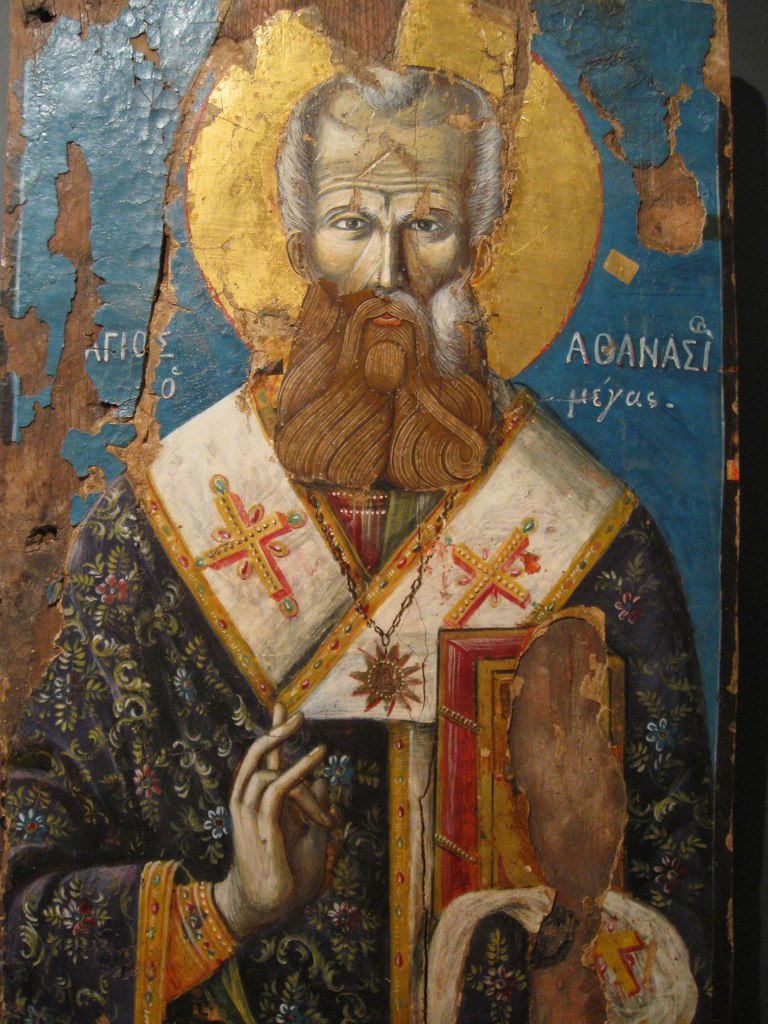
The Church liturgically honors Saint Athanasius, a bishop, Confessor, and Doctor of the Church. He was the bishop of Alexandria, having been the 20th Patriarch of the Church, and having died in 373. The exact biography of the saint’s life is lost, we do know this theological and pastoral activity. It is said that he was ordained to the episcopate in 328 not yet attained the canonical age of thirty years. Athanasius is famous, that is, distinguished, for being a great defender of the truth of Jesus’ full divinity as well as being fully human: our belief in the Incarnation. He was at that time, and continues to be, revered as a “Father of Orthodoxy.” Historically, he is remembered for composing two treatises, “Contra Gentes” and “De Incarnatione,” written around 318 which is before Arianism got a foothold in society.


What makes Saint Athanasius important for us in the 21st century is that despite the contentiousness of the debate of who Jesus is, it was his personal witness more than anything that led people to the truth of the Faith. The issues in the 4th century remain with us today: many “faithful” Christians don’t know how to explain what and whom they say they believe in. Saint Athanasius is still able articulate Catholic belief.

Trappistine nuns in Syria

Trappistines Syria.jpg

The mostly Italian group of Trappistine nuns forming a monastic colony in Syria are not moving, even in the face of violence.

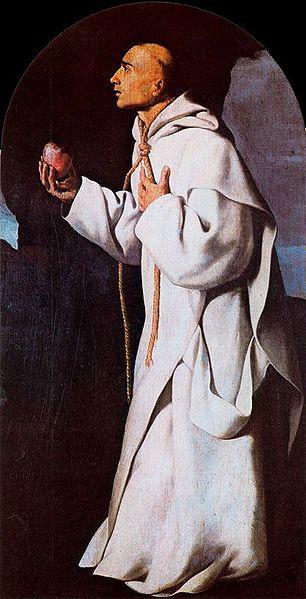
Since 2005, Mother Marta Luisa Fagnani and the other nuns have committed themselves to prayer and work in a country in crisis. Their witness at the Monastery of Blessed Mary of Font of Peace (in Arabic, Dier al Adrha Yanbu’a-s-Salam), is a foundation of the Valserena Monastery in Guardistallo, Italy.

They write a blog, Ora pro Siria, in Italian and not frequently updated, but you can get a sense of their witness there. BUT, the monastic project of the nuns is explained here, which also asks the reader to help with prayer, friendship and money.

Yesterday, the daily Il Sussidiario published an English translation of an interview with one of the nuns.

Two years ago today, Traces magazine published a story, “The Sisters of Syria,” where the nuns talk about their call to make a monastic foundation in Syria, what freedom, the Encounter with the Lord and others and silence means. Few know, for example, that the Middle East had 11 monasteries of the Order of Cistercians of the Strict Observance (the Trappists) but dissolved due to the Islamic invasion. This is something to think and pray about. Do you have the same commitment to the Lord and to missionary zeal as these nuns?

Pope Francis’ prayer intentions for May 2013

Francis kneeling St Mary Major.jpgBlessed Teresa of Calcutta once said, “Prayer is not asking. Prayer is putting oneself in the hands of God, at His disposition, and listening to His voice in the depths of our hearts.”

Let us unite our hearts and minds with the Blessed Virgin Mary, the saints before God, for these intentions, and for the Holy Father.


The general intention
That administrators of justice may act always with integrity and right conscience.

The missionary intention
That seminaries, especially those of mission churches, may form pastors after the Heart of Christ, fully dedicated to proclaiming the Gospel.

Our Lady Help of Christians, pray for us.