<?xml version="1.0" encoding="utf-8"?>
<feed xmlns="http://www.w3.org/2005/Atom">
    <title>Communio</title>
    <link rel="alternate" type="text/html" href="http://communio.stblogs.org/" />
    <link rel="self" type="application/atom+xml" href="http://communio.stblogs.org/atom.xml" />
    <id>tag:communio.stblogs.org,2008-07-22://23</id>
    <updated>2013-07-23T12:07:26Z</updated>
    <subtitle><![CDATA[...bearing with one another in love,&nbsp;&nbsp;&nbsp;making every effort to maintain the unity of the Spirit &nbsp;&nbsp;&nbsp;in the bond of peace.]]></subtitle>
    <generator uri="http://www.sixapart.com/movabletype/">Movable Type 4.35-en</generator>

<entry>
    <title>Prophet Ezekiel</title>
    <link rel="alternate" type="text/html" href="http://communio.stblogs.org/2013/07/prophet-ezekiel.html" />
    <id>tag:communio.stblogs.org,2013://23.39104</id>

    <published>2013-07-23T13:33:29Z</published>
    <updated>2013-07-23T12:07:26Z</updated>

    <summary><![CDATA[The Church commemorates the Prophet Ezekiel (born c. 622 BC) today. His name means "God will strengthen."&nbsp; God's strength will be explained by the prophet's persistent and clear call for repentance, purity and holiness. The Prophet is remembered on various...]]></summary>
    <author>
        <name>Paul Zalonski</name>
        <uri>http://communio.stblogs.org</uri>
    </author>
    
        <category term="Saints" scheme="http://www.sixapart.com/ns/types#category" />
    
    <category term="prophetezekiel" label="Prophet Ezekiel" scheme="http://www.sixapart.com/ns/types#tag" />
    
    <content type="html" xml:lang="en" xml:base="http://communio.stblogs.org/">
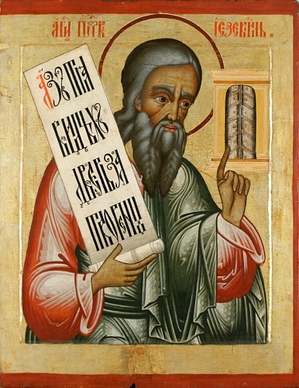
        <![CDATA[<a href="http://communio.stblogs.org/assets_c/2013/04/Ezekiel-icon-thumb-300x388-14162.jpg"><img alt="Thumbnail image for Ezekiel-icon.jpg" src="http://communio.stblogs.org/assets_c/2013/04/Ezekiel-icon-thumb-300x388-14162-thumb-300x388-14163.jpg" width="300" height="388" class="mt-image-left" style="float: left; margin: 0 20px 20px 0;" /></a><p style="margin-bottom: 0px; font-size: 12px; font-family: 'Times New Roman'; color: rgb(50, 51, 51); "><span style="letter-spacing: 0.0px">The Church commemorates the Prophet Ezekiel (born c. 622 BC) today. His name means "God will strengthen."&nbsp; God's strength will be explained by the prophet's persistent and clear call for repentance, purity and holiness.</span></p>
<p style="margin-bottom: 0px; font-size: 12px; font-family: 'Times New Roman'; color: rgb(50, 51, 51); min-height: 15px; "><span style="letter-spacing: 0.0px"></span><br /></p>
<p style="margin-bottom: 0px; font-size: 12px; font-family: 'Times New Roman'; color: rgb(50, 51, 51); "><span style="letter-spacing: 0.0px">The Prophet is remembered on various dates among others:</span></p>
<p style="margin-bottom: 0px; font-size: 12px; font-family: 'Times New Roman'; color: rgb(50, 51, 51); min-height: 15px; "><span style="letter-spacing: 0.0px"></span><br /></p>
<ul>
<li style="font-size: 12px; font-family: 'Times New Roman'; color: rgb(50, 51, 51); "><span style="letter-spacing: 0.0px">Latin Catholics 23 July</span></li>
<li style="font-size: 12px; font-family: 'Times New Roman'; color: rgb(50, 51, 51); "><span style="letter-spacing: 0.0px">Byzantine Catholics and Orthodox and some Lutherans on 21 July</span></li>
<li style="font-size: 12px; font-family: 'Times New Roman'; color: rgb(50, 51, 51); "><span style="letter-spacing: 0.0px">Armenian Apostolic Church on 28 August</span></li>
<li style="font-size: 12px; font-family: 'Times New Roman'; color: rgb(50, 51, 51); "><span style="letter-spacing: 0.0px">It must be noted that Ezekiel, though not named in the Islamic holy Book, is honored.</span></li></ul>
<p style="margin-bottom: 0px; font-size: 12px; font-family: 'Times New Roman'; color: rgb(50, 51, 51); "><span style="letter-spacing: 0.0px">Ezekiel is said to have been a great teacher and that his lessons were about the renewal and reform of the whole nation through the renewal and reform of each person. But more than a great teacher he was born into a born into a priestly family, meaning that his family was a family of priests in the line of Levi. Ezekiel was a priest who offered sacrifice on behalf of others.</span></p>
<p style="margin-bottom: 0px; font-size: 12px; font-family: 'Times New Roman'; color: rgb(50, 51, 51); min-height: 15px; "><span style="letter-spacing: 0.0px"></span><br /></p>
<p style="margin-bottom: 0px; font-size: 12px; font-family: 'Times New Roman'; color: rgb(50, 51, 51); "><span style="letter-spacing: 0.0px">He is remembered for many important things but many will say they are drawn to the miracle he performed of the resuscitation of the dead found in Book of Ezekiel 37. Dry bones are reassembled and live again. An evident foretelling of the Lord's own resurrection from the dead. But aside from brilliant miracles the prophet utterances of Ezekiel's book speak of a vision of God's glory&nbsp; (the heavens opening) and the restoration of that glory will happen in a dramatic way even though Jerusalem would fall, unbelief of the people in the one God would lead to their destruction (the Jews would understand the abandoned faith was akin to committing national suicide), and that God required the people to do penance for their wandering away from His truth, beauty and goodness.</span></p> ]]>
        <![CDATA[<p style="margin-bottom: 0px; font-size: 12px; font-family: 'Times New Roman'; color: rgb(50, 51, 51); "><span style="letter-spacing: 0px; ">There is a certainty in Ezekiel that's often dismissed: redemption, wholeness, joy, prosperity, peace is given to those who are unconditionally loyal to the living of the teaching of God (also called, Torah). The only way a new kingdom, the New Jerusalem, a new flowering of the vineyard, would be built and the prosperity of the people renewed, if the people&nbsp;would be purified and&nbsp;the people to have a solid recognition that "The Lord is there" (Ezekiel 48).&nbsp;</span></p><p style="margin-bottom: 0px; font-size: 12px; font-family: 'Times New Roman'; color: rgb(50, 51, 51); min-height: 15px; "><span style="letter-spacing: 0px; "></span><br /></p><p style="margin-bottom: 0px; font-size: 12px; font-family: 'Times New Roman'; color: rgb(50, 51, 51); "><span style="letter-spacing: 0px; ">Therefore, the Prophet Ezekiel's addition to the Christian liturgical calendar is poignant because the message he proposes to the Jews is the same for us today who follow Jesus Christ: he calls all of us to conversion (a turning away from sin and facing the Holy Face of God, cf. chapter 18); a new and renewed homeland requires a new and robust worship of the Almighty One. Once that happens, a new leader will emerge in the person of King David, and he will lead us to salvation. A Christian can't but see the coming of the Messiah in what is spoken of by the Prophet. That is, Ezekiel identifies that some are chosen and anointed for a rebuilding of the Kingdom (see chapter 9).</span></p><p style="margin-bottom: 0px; font-size: 12px; font-family: 'Times New Roman'; color: rgb(50, 51, 51); min-height: 15px; "><span style="letter-spacing: 0px; "></span><br /></p><p style="margin-bottom: 0px; font-size: 12px; font-family: 'Times New Roman'; color: rgb(50, 51, 51); "><span style="letter-spacing: 0px; ">Customarily, Jews would not read and interpret the Book of Ezekiel until they reached the age of 50 because of the need for personal maturity.</span></p><p style="margin-bottom: 0px; font-size: 12px; font-family: 'Times New Roman'; color: rgb(50, 51, 51); min-height: 15px; "><span style="letter-spacing: 0px; "></span><br /></p><p style="margin-bottom: 0px; font-size: 12px; font-family: 'Times New Roman'; color: rgb(50, 51, 51); "><span style="letter-spacing: 0px; ">Christians will note that in the Book of Revelation, Saint John&nbsp;&nbsp;quotes the Prophet and some of his utterances foretell the coming of the Savior.</span></p><p style="margin-bottom: 0px; font-size: 12px; font-family: 'Times New Roman'; color: rgb(50, 51, 51); min-height: 15px; "><span style="letter-spacing: 0px; "></span><br /></p><p style="margin-bottom: 0px; font-size: 12px; font-family: 'Times New Roman'; color: rgb(50, 51, 51); "><span style="letter-spacing: 0px; ">From Ezekiel we get the Tau cross most often now identified with the Franciscans. Every baptized Christian is marked by the cross, the Tau. Each person is called be a faithful, responsible person in following Christ in His Church.</span></p>]]>
    </content>
</entry>

<entry>
    <title>Saint Mary Magdalen</title>
    <link rel="alternate" type="text/html" href="http://communio.stblogs.org/2013/07/saint-mary-magdalen.html" />
    <id>tag:communio.stblogs.org,2013://23.38517</id>

    <published>2013-07-22T12:44:48Z</published>
    <updated>2013-07-19T15:48:01Z</updated>

    <summary>The day dawns, Mary, bright with joy,The Lord is victor over death;You hasten to anoint the Christ,The truth, thought cold and void of breath.You come in haste but &apos;tis to hearA white-robed angel gladly tell,&quot;The one you&apos;re seeking rose again,He...</summary>
    <author>
        <name>Paul Zalonski</name>
        <uri>http://communio.stblogs.org</uri>
    </author>
    
        <category term="Saints" scheme="http://www.sixapart.com/ns/types#category" />
    
    <category term="saint" label="saint" scheme="http://www.sixapart.com/ns/types#tag" />
    <category term="stmarymagdalen" label="St Mary Magdalen" scheme="http://www.sixapart.com/ns/types#tag" />
    
    <content type="html" xml:lang="en" xml:base="http://communio.stblogs.org/">
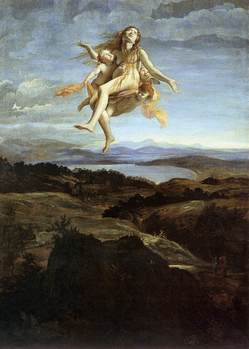
        <![CDATA[<a href="http://communio.stblogs.org/Magdalen%20raised%20by%20Angels%20GLanfranco.jpg"><img alt="Magdalen raised by Angels GLanfranco.jpg" src="http://communio.stblogs.org/assets_c/2013/07/Magdalen raised by Angels GLanfranco-thumb-250x349-14836.jpg" width="250" height="349" class="mt-image-right" style="float: right; margin: 0 0 20px 20px;" /></a>The day dawns, Mary, bright with joy,<div>The Lord is victor over death;</div><div>You hasten to anoint the Christ,</div><div>The truth, thought cold and void of breath.</div><div><br /></div><div>You come in haste but 'tis to hear</div><div>A white-robed angel gladly tell,</div><div>"The one you're seeking rose again,</div><div>He broke apart the gates of Hell."</div><div><br /></div><div>Your love requires a greater joy,</div><div>You ask the gard'ner where He lay,</div><div>A "Mary!" turning see the Lord</div><div>Your teacher, Jesus Christ, the Way.</div><div><br /></div><div>The tearful Virgin you upheld,</div><div>Beneath the cruel gallows tree</div><div>And so Christ chose you first of all</div><div>As witness of his victory.</div><div><br /></div><div>O lovely flow'r of Magdala,</div><div>Whose love of Christ earned such apart,</div><div>Pray we may also have this gift,</div><div>The flame of love within our heart.</div><div><br /></div><div>Lord Jesus, give us such a love,</div><div>To olive like Mary all our days,</div><div>And so with her in heaven's life</div><div>To sing your ever-lasting praise.</div><div><br /></div><div><font class="Apple-style-span" style="font-size: 0.8em; ">Text trans. Kenneth Tomkins, OSB, 1992, Quarr Abbey, Ryde, Isle of Wight</font></div>]]>
        
    </content>
</entry>

<entry>
    <title>Jesus is united to the whole of humanity</title>
    <link rel="alternate" type="text/html" href="http://communio.stblogs.org/2013/07/jesus-is-united-to-the-whole-o.html" />
    <id>tag:communio.stblogs.org,2013://23.39409</id>

    <published>2013-07-19T15:38:44Z</published>
    <updated>2013-07-19T15:41:57Z</updated>

    <summary>A little significant theological reflection is needed. What actually is the point of the Incarnation of Jesus? What difference does it make? Why is what happened to Jesus in the Paschal Mystery important for my redemption and salvation? One of...</summary>
    <author>
        <name>Paul Zalonski</name>
        <uri>http://communio.stblogs.org</uri>
    </author>
    
        <category term="Theology" scheme="http://www.sixapart.com/ns/types#category" />
    
    <category term="georgesflorovsky" label="Georges Florovsky" scheme="http://www.sixapart.com/ns/types#tag" />
    <category term="incarnation" label="Incarnation" scheme="http://www.sixapart.com/ns/types#tag" />
    
    <content type="html" xml:lang="en" xml:base="http://communio.stblogs.org/">
        <![CDATA[<p style="margin-bottom: 0px; "><i><span style="color: rgb(50, 51, 51); font-family: 'Times New Roman'; font-size: 12px; letter-spacing: 0px; ">A little significant theological reflection is needed. What actually is the point of the Incarnation of Jesus? What difference does it make? Why is what happened to Jesus in the Paschal Mystery important for my redemption and salvation? One of my&nbsp;</span><font color="#323333" face="Times New Roman"><span style="font-size: 12px;">favorite Orthodox theologians/historians of theology, Father Georges Florovsky points to the fact Christ is not for one person, but for all people, and that all people are to become divine. Make&nbsp;sense to you?</span></font></i></p><p style="margin-bottom: 0px; font-size: 12px; font-family: 'Times New Roman'; color: rgb(50, 51, 51); "><br /></p><p style="margin-bottom: 0px; font-size: 12px; font-family: 'Times New Roman'; color: rgb(50, 51, 51); "></p><div class="zemanta-img mt-image-left" style="margin: 1em; display: block; float: left; width: 250px; "><a href="http://commons.wikipedia.org/wiki/File:00058_christ_pantocrator_mosaic_hagia_sophia_656x800.jpg" target="_blank"><img src="http://upload.wikimedia.org/wikipedia/commons/thumb/4/4c/00058_christ_pantocrator_mosaic_hagia_sophia_656x800.jpg/300px-00058_christ_pantocrator_mosaic_hagia_sophia_656x800.jpg" alt="Christ Pantocrator, detail of the Deesis mosaic" width="250" class="zemanta-img-configured" /></a></div><span style="letter-spacing: 0.0px">The Word became man so that we could "become divine," "in order to deify us in Himself." <u>Deification is adoption by God</u>, and "humans sons have become the sons of God." We are "received by the Word and are deified through His flesh" by virtue of the Incarnation. Born from the Virgin, <b>the Word was not united with only one man, but with the whole of human nature</b>. <u>Therefore everything that was achieved in the human nature of Christ is immediately extended to all men because they have a body in common with Him</u>. There is no coercion involved here. Men are more than similar to Christ; they are truly participants in the human nature of the Word. Christ is a vine and we are the branches, "united with Him by our humanity." In the same way that the tendrils which grow from a grapevine are consubstantial with it, so are our bodies consubstantial with the body of the Lord, and we receive what He has accomplished. His body is the "<u>root of our resurrection and salvation</u>." Everyone is renewed, anointed, healed, and exalted in Christ, for "He has taken everyone on Himself." This is not merely similarity or substitution, but actual unity. <b>Therefore all humanity is anointed by the Spirit in the Jordan, dies on the cross, and is resurrected to immortality in Christ because "He Himself bears our body."</b></span><p></p>
<p style="margin-bottom: 0px; font-size: 12px; font-family: 'Times New Roman'; color: rgb(50, 51, 51); min-height: 15px; "><span style="letter-spacing: 0.0px"></span><br /></p>
<p style="margin-bottom: 0px; font-size: 12px; font-family: 'Times New Roman'; color: rgb(50, 51, 51); "><span style="letter-spacing: 0.0px">Father Georges Florovsky, discussing the theology of Saint Athanasius the Great, in chapter two of Florovsky's patrology.</span></p>

<div class="zemanta-pixie" style="margin-top:10px;height:15px"><a class="zemanta-pixie-a" href="http://www.zemanta.com/?px" title="Enhanced by Zemanta"><img class="zemanta-pixie-img" src="http://img.zemanta.com/zemified_e.png?x-id=51d26a4a-8bd2-475f-b43e-f0f114c750a5" alt="Enhanced by Zemanta" style="border:none;float:right" /></a></div>]]>
        
    </content>
</entry>

<entry>
    <title>Cooling a dog</title>
    <link rel="alternate" type="text/html" href="http://communio.stblogs.org/2013/07/cooling-a-dog.html" />
    <id>tag:communio.stblogs.org,2013://23.39408</id>

    <published>2013-07-19T00:27:10Z</published>
    <updated>2013-07-19T15:28:54Z</updated>

    <summary>Somehow I think the dog has a good deal going for himself. Happy Summer!...</summary>
    <author>
        <name>Paul Zalonski</name>
        <uri>http://communio.stblogs.org</uri>
    </author>
    
        <category term="Culture" scheme="http://www.sixapart.com/ns/types#category" />
    
    <category term="culture" label="culture" scheme="http://www.sixapart.com/ns/types#tag" />
    
    <content type="html" xml:lang="en" xml:base="http://communio.stblogs.org/">
        <![CDATA[<a href="http://communio.stblogs.org/cooling%20the%20dog.jpg"><img alt="cooling the dog.jpg" src="http://communio.stblogs.org/assets_c/2013/07/cooling the dog-thumb-400x300-14834.jpg" width="400" height="300" class="mt-image-center" style="text-align: center; display: block; margin: 0 auto 20px;" /></a><div>Somehow I think the dog has a good deal going for himself. Happy Summer!</div>]]>
        
    </content>
</entry>

<entry>
    <title>Our Lady of Mount Carmel</title>
    <link rel="alternate" type="text/html" href="http://communio.stblogs.org/2013/07/our-lady-of-mount-carmel-4.html" />
    <id>tag:communio.stblogs.org,2013://23.39401</id>

    <published>2013-07-17T02:12:52Z</published>
    <updated>2013-07-17T02:18:09Z</updated>

    <summary>I was asking myself why today&apos;s feast of Our Lady of Mount Carmel is a universal feast of the Church. But, why, then, is the feast of Our Lady of the Rosary a widespread feast? Because of the popularity of...</summary>
    <author>
        <name>Paul Zalonski</name>
        <uri>http://communio.stblogs.org</uri>
    </author>
    
        <category term="Blessed Virgin Mary" scheme="http://www.sixapart.com/ns/types#category" />
    
    <category term="ourladyofmountcarmel" label="Our Lady of Mount Carmel" scheme="http://www.sixapart.com/ns/types#tag" />
    <category term="scapular" label="scapular" scheme="http://www.sixapart.com/ns/types#tag" />
    
    <content type="html" xml:lang="en" xml:base="http://communio.stblogs.org/">
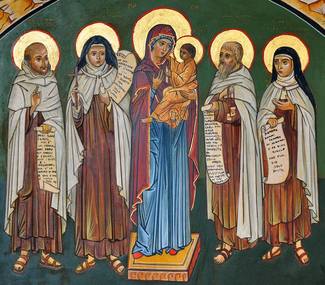
        <![CDATA[<a href="http://communio.stblogs.org/OL%20of%20Mt%20Carmel%20and%20Carmelites.jpg"><img alt="OL of Mt Carmel and Carmelites.jpg" src="http://communio.stblogs.org/assets_c/2013/07/OL of Mt Carmel and Carmelites-thumb-325x285-14817.jpg" width="325" height="285" class="mt-image-left" style="float: left; margin: 0 20px 20px 0;" /></a><p style="margin-bottom: 0px; font-size: 12px; font-family: 'Times New Roman'; "><span style="letter-spacing: 0.0px">I was asking myself why today's feast of Our Lady of Mount Carmel is a universal feast of the Church. But, why, then, is the feast of Our Lady of the Rosary a widespread feast? Because of the popularity of the devotion is a good approximate answer. Go to Mary for help is a certain gesture of dependence.</span></p><p style="margin-bottom: 0px; font-size: 12px; font-family: 'Times New Roman'; "><span style="letter-spacing: 0.0px"><br /></span></p>
<p style="margin-bottom: 0px; font-size: 12px; font-family: 'Times New Roman'; "><span style="letter-spacing: 0.0px">The feast recalls a 1226 victory over enemies of the Church and the Carmelite friars, and it also recalls the reception of the scapular by Saint Simon Stock on this date in 1251.</span></p><p style="margin-bottom: 0px; font-size: 12px; font-family: 'Times New Roman'; "><span style="letter-spacing: 0.0px"><br /></span></p><p style="margin-bottom: 0px; font-size: 12px; font-family: 'Times New Roman'; "><span style="letter-spacing: 0.0px">By the 14th century the proposed feast received approval of the Roman Pontiffs Honorius III and later by Sixtus V; over the years it has been questioned by ecclesiastical figures and found to be appropriate for the Carmelite order with a proper vigil Mass and a privileged octave.</span></p><p style="margin-bottom: 0px; font-size: 12px; font-family: 'Times New Roman'; "><span style="letter-spacing: 0.0px"><br /></span></p>
<p style="margin-bottom: 0px; font-size: 12px; font-family: 'Times New Roman'; "><span style="letter-spacing: 0.0px">Our Lady of Mount Carmel's feast is another feast of the Virgin Mary that focuses our eyes on the Lord. And, we can never have a enough of that.</span></p><p style="margin-bottom: 0px; font-size: 12px; font-family: 'Times New Roman'; "><span style="letter-spacing: 0.0px"><br /></span></p><p style="margin-bottom: 0px; font-size: 12px; font-family: 'Times New Roman'; "><span style="letter-spacing: 0.0px">You may be interested in reading this <a href="http://www.newadvent.org/cathen/13508b.htm">piece on scapulars</a>.</span></p>]]>
        
    </content>
</entry>

<entry>
    <title>Shakespeare&apos;s Sonnet 116</title>
    <link rel="alternate" type="text/html" href="http://communio.stblogs.org/2013/07/shakespeares-sonnet-116.html" />
    <id>tag:communio.stblogs.org,2013://23.39391</id>

    <published>2013-07-16T17:42:54Z</published>
    <updated>2013-07-11T17:44:29Z</updated>

    <summary>Let me not to the marriage of true mindsAdmit impediments. Love is not loveWhich alters when it alteration finds,Or bends with the remover to remove:O no! it is an ever-fixed markThat looks on tempests and is never shaken;It is the...</summary>
    <author>
        <name>Paul Zalonski</name>
        <uri>http://communio.stblogs.org</uri>
    </author>
    
        <category term="Culture" scheme="http://www.sixapart.com/ns/types#category" />
    
    <category term="williamshakespeare" label="William Shakespeare" scheme="http://www.sixapart.com/ns/types#tag" />
    
    <content type="html" xml:lang="en" xml:base="http://communio.stblogs.org/">
        <![CDATA[<p style="margin-bottom: 0px; "><div style="color: rgb(32, 32, 32); font-family: 'Times New Roman'; font-size: 12px; text-align: center; "><span style="letter-spacing: 0px; ">Let me not to the marriage of true minds</span></div><div style="color: rgb(32, 32, 32); font-family: 'Times New Roman'; font-size: 12px; letter-spacing: 0px; text-align: center; "><span style="letter-spacing: 0px; ">Admit impediments. Love is not love</span></div><div style="color: rgb(32, 32, 32); font-family: 'Times New Roman'; font-size: 12px; letter-spacing: 0px; text-align: center; "><span style="letter-spacing: 0px; ">Which alters when it alteration finds,</span></div><div style="color: rgb(32, 32, 32); font-family: 'Times New Roman'; font-size: 12px; letter-spacing: 0px; text-align: center; "><span style="letter-spacing: 0px; ">Or bends with the remover to remove:</span></div><div style="color: rgb(32, 32, 32); font-family: 'Times New Roman'; font-size: 12px; letter-spacing: 0px; text-align: center; "><span style="letter-spacing: 0px; ">O no! it is an ever-fixed mark</span></div><div style="color: rgb(32, 32, 32); font-family: 'Times New Roman'; font-size: 12px; letter-spacing: 0px; text-align: center; "><span style="letter-spacing: 0px; ">That looks on tempests and is never shaken;</span></div><div style="color: rgb(32, 32, 32); font-family: 'Times New Roman'; font-size: 12px; letter-spacing: 0px; text-align: center; "><span style="letter-spacing: 0px; ">It is the star to every wandering bark,</span></div><div style="color: rgb(32, 32, 32); font-family: 'Times New Roman'; font-size: 12px; letter-spacing: 0px; text-align: center; "><span style="letter-spacing: 0px; ">Whose worth's unknown, although his height be taken.</span></div><div style="color: rgb(32, 32, 32); font-family: 'Times New Roman'; font-size: 12px; letter-spacing: 0px; text-align: center; "><span style="letter-spacing: 0px; ">Love's not Time's fool, though rosy lips and cheeks</span></div><div style="color: rgb(32, 32, 32); font-family: 'Times New Roman'; font-size: 12px; letter-spacing: 0px; text-align: center; "><span style="letter-spacing: 0px; ">Within his bending sickle's compass come:</span></div><div style="color: rgb(32, 32, 32); font-family: 'Times New Roman'; font-size: 12px; letter-spacing: 0px; text-align: center; "><span style="letter-spacing: 0px; ">Love alters not with his brief hours and weeks,</span></div><div style="color: rgb(32, 32, 32); font-family: 'Times New Roman'; font-size: 12px; letter-spacing: 0px; text-align: center; "><span style="letter-spacing: 0px; ">But bears it out even to the edge of doom.</span></div><div style="color: rgb(32, 32, 32); font-family: 'Times New Roman'; font-size: 12px; letter-spacing: 0px; text-align: center; "><span style="letter-spacing: 0px; ">If this be error and upon me proved,</span></div><div style="color: rgb(32, 32, 32); font-family: 'Times New Roman'; font-size: 12px; letter-spacing: 0px; text-align: center; "><span style="letter-spacing: 0px; ">I never writ, nor no man ever loved.&nbsp;</span></div>
<div style="text-align: center;"><font color="#202020" face="Times New Roman"><span style="font-size: 12px;"><br /></span></font></div><font color="#202020" face="Times New Roman"><div style="text-align: center;"><span style="font-size: 12px; letter-spacing: 0px; ">William Shakespeare</span></div></font></p> ]]>
        
    </content>
</entry>

<entry>
    <title>Saint Bonaventure on mystical prayer</title>
    <link rel="alternate" type="text/html" href="http://communio.stblogs.org/2013/07/saint-bonaventure-on-mystical.html" />
    <id>tag:communio.stblogs.org,2013://23.39397</id>

    <published>2013-07-16T01:11:30Z</published>
    <updated>2013-07-16T01:33:46Z</updated>

    <summary>One of the famous works of Saint Bonaventure&apos;s is his Journey of the Mind to God. You see it in many places for those wanting a glimpse into this significant medieval thinker. It was in the Roman Divine Office of...</summary>
    <author>
        <name>Paul Zalonski</name>
        <uri>http://communio.stblogs.org</uri>
    </author>
    
        <category term="Franciscan saints &amp; blesseds" scheme="http://www.sixapart.com/ns/types#category" />
    
    <category term="contemplation" label="contemplation" scheme="http://www.sixapart.com/ns/types#tag" />
    <category term="franciscansaintsandblesseds" label="Franciscan saints and blesseds" scheme="http://www.sixapart.com/ns/types#tag" />
    <category term="prayer" label="prayer" scheme="http://www.sixapart.com/ns/types#tag" />
    <category term="stbonaventure" label="St Bonaventure" scheme="http://www.sixapart.com/ns/types#tag" />
    
    <content type="html" xml:lang="en" xml:base="http://communio.stblogs.org/">
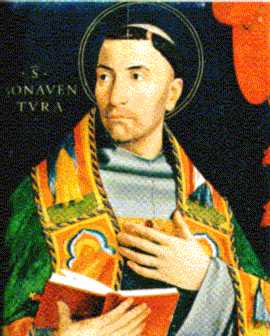
        <![CDATA[<a href="http://communio.stblogs.org/Bon4.jpg"><img alt="Bon4.jpg" src="http://communio.stblogs.org/assets_c/2013/07/Bon4-thumb-270x336-14797.jpg" width="270" height="336" class="mt-image-left" style="float: left; margin: 0 20px 20px 0;" /></a><p style="margin-bottom: 0px; font-size: 12px; font-family: 'Times New Roman'; "><span style="letter-spacing: 0.0px"><i>One of the famous works of Saint Bonaventure's is his Journey of the Mind to God. You see it in many places for those wanting a glimpse into this significant medieval thinker. It was in the Roman Divine Office of Readings. We always need an insight or two into contemplation, what it means, how it exists, and so forth. There is no exhausting one's search into understanding mystical prayer.</i></span></p>
<p style="margin-bottom: 0px; font-size: 12px; font-family: 'Times New Roman'; min-height: 15px; "><span style="letter-spacing: 0.0px"><i></i></span><br /></p>
<p style="margin-bottom: 0px; font-size: 12px; font-family: 'Times New Roman'; "><span style="letter-spacing: 0.0px"><i>I want you </i><a href="http://media01.radiovaticana.va/audiomp3/00381151.MP3" style="font-style: italic; ">to listen to Veronica Scarisbrick's interview</a><i> with Franciscan Father Rick S. Martignetti who works in Rome and has authored of </i><a href="http://www.amazon.co.uk/dp/B00D7BNK42">Saint Bonaventure's Tree of Life: Theology of the Mystical Journey</a>&nbsp;(Grottaferrata, 2004)<i>. It is a study of Bonaventure's understanding on prayer</i><i>&nbsp;and life in the paschal mystery. I found Scarisbrick's interview both delightful and helpful.</i></span></p>
<p style="margin-bottom: 0px; font-size: 12px; font-family: Verdana; min-height: 15px; "><span style="letter-spacing: 0.0px"></span><br /></p>
<p style="margin-bottom: 0px; font-size: 12px; font-family: 'Times New Roman'; "><span style="letter-spacing: 0.0px">Christ is both the way and the door. Christ is the staircase and the vehicle, like the <i>throne of mercy over the Ark of the Covenant,</i> and <i>the mystery hidden from the ages.</i> A man should turn his full attention to this throne of mercy, and should gaze at him hanging on the cross, full of faith, hope and charity, devoted, full of wonder and joy, marked by gratitude, and open to praise and jubilation. Then such a man will make with Christ a <i>pasch,</i> that is, a passing-over. Through the branches of the cross he will pass over the Red Sea, leaving Egypt and entering the desert. There he will taste the hidden manna, and rest with Christ in the sepulchre, as if he were dead to things outside. He will experience, as much as is possible for one who is still living, what was promised to the thief who hung beside Christ: <i>Today you will be with me in paradise.</i></span></p>]]>
        <![CDATA[<p style="margin-bottom: 0px; font-size: 12px; font-family: 'Times New Roman'; "><span style="letter-spacing: 0px; ">For this passover to be perfect, we must suspend all the operations of the mind and we must transform the peak of our affections, directing them to God alone. This is a sacred mystical experience. It cannot be comprehended by anyone unless he surrenders himself to it; nor can he surrender himself to it unless he longs for it; nor can he long for it unless the Holy Spirit, whom Christ sent into the world, should come and inflame his innermost soul. Hence the Apostle says that this mystical wisdom is revealed by the Holy Spirit.</span></p><p style="margin-bottom: 0px; font-size: 12px; font-family: 'Times New Roman'; min-height: 15px; "><span style="letter-spacing: 0px; "></span><br /></p><p style="margin-bottom: 0px; font-size: 12px; font-family: 'Times New Roman'; "><span style="letter-spacing: 0px; ">If you ask how such things can occur, seek the answer in God's grace, not in doctrine; in the longing of the will, not in the understanding; in the sighs of prayer, not in research; seek the bridegroom not the teacher; God and not man; darkness not daylight; and look not to the light but rather to the raging fire that carries the soul to God with intense fervour and glowing love. The fir is God, and the furnace is in Jerusalem, fired by Christ in the ardour of his loving passion. Only he understood this who said:&nbsp;<i>My soul chose hanging and my bones death.</i>&nbsp;Anyone who cherishes this kind of death can see God, for it is certainly true that:&nbsp;<i>No man can look upon me and live.</i></span></p><p style="margin-bottom: 0px; font-size: 12px; font-family: 'Times New Roman'; "><span style="letter-spacing: 0px; "><br />Let us die, then, and enter into the darkness, silencing our anxieties, our passions and all the fantasies of our imagination. Let us pass over with the crucified Christ&nbsp;<i>from this world to the Father,</i>&nbsp;so that, when the Father has shown himself to us, we can say with Philip:&nbsp;<i>It is enough.</i>&nbsp;We may hear with Paul:&nbsp;<i>My grace is sufficient for you;</i>&nbsp;and we can rejoice with David, saying:&nbsp;<i>My flesh and my heart fail me, but God is the strength of my heart and my heritage for ever. Blessed be the Lord for ever, and let all the people say: Amen. Amen!</i></span></p><p style="margin-bottom: 0px; font-size: 12px; font-family: 'Times New Roman'; min-height: 15px; "><span style="letter-spacing: 0px; "><i></i></span><br /></p><p style="margin-bottom: 0px; font-size: 12px; font-family: 'Times New Roman'; "><span style="letter-spacing: 0px; ">(Cap. 7,1 2.4.6: Opera Omnia, 5, 312-313)</span></p>]]>
    </content>
</entry>

<entry>
    <title>Distinguishing religion and theology</title>
    <link rel="alternate" type="text/html" href="http://communio.stblogs.org/2013/07/distinguishing-religion-and-th.html" />
    <id>tag:communio.stblogs.org,2013://23.39394</id>

    <published>2013-07-15T15:29:59Z</published>
    <updated>2013-07-14T23:32:10Z</updated>

    <summary><![CDATA[Subconsciously we are still studying the history of doctrine as a history of philosophy, and therefore we are bound to miss the very thing. For both theology and doctrine are not&nbsp;philosophy. It is not a speculation on religious topics or...]]></summary>
    <author>
        <name>Paul Zalonski</name>
        <uri>http://communio.stblogs.org</uri>
    </author>
    
        <category term="Theology" scheme="http://www.sixapart.com/ns/types#category" />
    
    <category term="georgesflorovsky" label="Georges Florovsky" scheme="http://www.sixapart.com/ns/types#tag" />
    <category term="religion" label="religion" scheme="http://www.sixapart.com/ns/types#tag" />
    <category term="theology" label="theology" scheme="http://www.sixapart.com/ns/types#tag" />
    
    <content type="html" xml:lang="en" xml:base="http://communio.stblogs.org/">
        <![CDATA[<p style="margin-bottom: 0px; font-size: 12px; font-family: 'Times New Roman'; color: rgb(50, 51, 51); "><span style="letter-spacing: 0.0px">Subconsciously we are still studying the history of doctrine as a history of philosophy, and therefore we are bound to miss the very thing. For both theology and doctrine <i>are not</i>&nbsp;philosophy. It is not a speculation on religious topics or problems, even as it does not exclude the theological use of reasons. But it begins, earnestly and emphatically, with revelation -- not with an innate "revelation" of the truth in the human mind, but with a concrete Revelation in history, with a true encounter. It is a personal datum -- not because it is a private business of human personalities, but because it is a self-disclosure and challenge of a Divine Person of the Personal God.</span></p>
<p style="margin-bottom: 0px; font-size: 12px; font-family: 'Times New Roman'; color: rgb(50, 51, 51); min-height: 15px; "><span style="letter-spacing: 0.0px"></span><br /></p>
<p style="margin-bottom: 0px; font-size: 12px; font-family: 'Times New Roman'; color: rgb(50, 51, 51); "><span style="letter-spacing: 0.0px">Father Georges Florovsky</span></p>
<p style="margin-bottom: 0px; font-size: 12px; font-family: 'Times New Roman'; color: rgb(50, 51, 51); "><span style="letter-spacing: 0.0px"><i>Religion and Theological Tensions</i></span></p>]]>
        
    </content>
</entry>

<entry>
    <title>A New Apologetics project</title>
    <link rel="alternate" type="text/html" href="http://communio.stblogs.org/2013/07/a-new-apologetics-project.html" />
    <id>tag:communio.stblogs.org,2013://23.39393</id>

    <published>2013-07-14T23:27:23Z</published>
    <updated>2013-07-23T12:38:27Z</updated>

    <summary>In the years since Blessed John Paul introduced his desire to have new work on knowing, living, and sharing the truth of the Catholic Faith, there&apos;s been a lot of good energy for the new evangelization. You can think of...</summary>
    <author>
        <name>Paul Zalonski</name>
        <uri>http://communio.stblogs.org</uri>
    </author>
    
        <category term="Evangelization &amp; Formation" scheme="http://www.sixapart.com/ns/types#category" />
    
        <category term="Year of Faith" scheme="http://www.sixapart.com/ns/types#category" />
    
    <category term="apologetics" label="apologetics" scheme="http://www.sixapart.com/ns/types#tag" />
    <category term="faithandscience" label="faith and science" scheme="http://www.sixapart.com/ns/types#tag" />
    <category term="newevangelization" label="New Evangelization" scheme="http://www.sixapart.com/ns/types#tag" />
    <category term="theology" label="theology" scheme="http://www.sixapart.com/ns/types#tag" />
    <category term="yearoffaith" label="Year of Faith" scheme="http://www.sixapart.com/ns/types#tag" />
    
    <content type="html" xml:lang="en" xml:base="http://communio.stblogs.org/">
        <![CDATA[<p style="margin-bottom: 0px; font-size: 12px; font-family: 'Times New Roman'; color: rgb(50, 51, 51); "><span style="letter-spacing: 0.0px">In the years since Blessed John Paul introduced his desire to have new work on knowing, living, and sharing the truth of the Catholic Faith, there's been a lot of good energy for <b><i>the new evangelization</i></b>. You can think of the Tear of Faith, the encyclicals of the recent popes, and most crucial has been Benedict XVI's establishment of a Vatican office to spearhead evangelization efforts.&nbsp;</span></p><p style="margin-bottom: 0px; font-size: 12px; font-family: 'Times New Roman'; color: rgb(50, 51, 51); "><span style="letter-spacing: 0.0px"><br /></span></p><p style="margin-bottom: 0px; font-size: 12px; font-family: 'Times New Roman'; color: rgb(50, 51, 51); "><span style="letter-spacing: 0.0px">Getting to the heart of what the new evangelization means, how it's supposed to "look" and why it needs our attention is slowing being revealed. I have to say that too many use the word&nbsp;</span>evangelization without precision and without real content and experience.&nbsp;Nevertheless, since John Paul and Benedict, now with Pope Francis we have a new awareness of evangelization's aim: and affection <b><i>for Christ</i></b> and to offer a reasonable proposal for faith in a comprehensive way.</p><p style="margin-bottom: 0px; font-size: 12px; font-family: 'Times New Roman'; color: rgb(50, 51, 51); "><span style="letter-spacing: 0px; "><br /></span></p><p style="margin-bottom: 0px; font-size: 12px; font-family: 'Times New Roman'; color: rgb(50, 51, 51); "><span style="letter-spacing: 0px; ">I happen to think the Holy Spirit is working diligently and effectively in having us slowly develop the needed resources with regard to persons and materials. Rushing into such work would not be reasonable since it does take time to do the hard work in truly knowing the need in a time of limited resources. The immediate past Pontiff set the Church's face on this renewed manner of living focusing us on the personal relationship with the Lord,, bridging the gap between faith and reason, and by asking us <u>to intimately know</u> Scripture, the Liturgy and the Magisterium (I don't want to call the new evangelization a 'project' because it is about our heart and mind).&nbsp;</span></p><p style="margin-bottom: 0px; font-size: 12px; font-family: 'Times New Roman'; color: rgb(50, 51, 51); "><span style="letter-spacing: 0.0px"><br /></span></p><p style="margin-bottom: 0px; font-size: 12px; font-family: 'Times New Roman'; color: rgb(50, 51, 51); "><span style="letter-spacing: 0px; ">A Cambridge, Massachusetts group of faithful Catholics have responded to Church's call for a "New Apologetics," a new way of proposing Jesus Christ as the Way, the Truth and the Life.</span></p>
<p style="margin-bottom: 0px; font-size: 12px; font-family: 'Times New Roman'; color: rgb(50, 51, 51); min-height: 15px; "><span style="letter-spacing: 0.0px"></span><br /></p>
<p style="margin-bottom: 0px; font-size: 12px; font-family: 'Times New Roman'; color: rgb(50, 51, 51); "><span style="letter-spacing: 0.0px">"New Apologetics" is a contemporary way of engaging the questions which need to be addressed; those tough issues are often inadequately answered, or worse, dismissed as unimportant. This is a serious, beautiful adventure.</span></p>
<p style="margin-bottom: 0px; font-size: 12px; font-family: 'Times New Roman'; color: rgb(50, 51, 51); min-height: 15px; "><span style="letter-spacing: 0.0px"></span><br /></p>
<p style="margin-bottom: 0px; font-size: 12px; font-family: 'Times New Roman'; color: rgb(50, 51, 51); "><b>The New Apologetics</b><span style="letter-spacing: 0.0px">&nbsp;is group qualified persons working to share the beauty of the truth of the Church today, in the language of today.&nbsp;</span></p>
<p style="margin-bottom: 0px; font-size: 12px; font-family: 'Times New Roman'; color: rgb(50, 51, 51); min-height: 15px; "><span style="letter-spacing: 0.0px"></span><br /></p>
<p style="margin-bottom: 0px; font-size: 12px; font-family: 'Times New Roman'; color: rgb(50, 51, 51); "><span style="letter-spacing: 0.0px"><b>The New Apologetics</b> website is <span style="letter-spacing: 0px; color: rgb(2, 30, 170); "><a href="http://www.newapologetics.com/">www.NewApologetics.com</a></span><a href="http://www.newapologetics.com/"></a></span></p><p style="margin-bottom: 0px; font-size: 12px; font-family: 'Times New Roman'; color: rgb(50, 51, 51); "><span style="letter-spacing: 0.0px"><br /></span></p><p style="margin-bottom: 0px; font-size: 12px; font-family: 'Times New Roman'; color: rgb(50, 51, 51); "><span style="letter-spacing: 0.0px">May Saint Thérèse of Lisieux guide this new work.</span></p>]]>
        
    </content>
</entry>

<entry>
    <title>Jesus is not an isolated missionary, nor are we</title>
    <link rel="alternate" type="text/html" href="http://communio.stblogs.org/2013/07/jesus-is-not-an-isolated-missi.html" />
    <id>tag:communio.stblogs.org,2013://23.39386</id>

    <published>2013-07-11T22:08:15Z</published>
    <updated>2013-07-11T13:34:54Z</updated>

    <summary>&quot;Go and make Christ known to all nations.&quot; The missionary spirit is once again coming to the table. As Christians, we are baptized to come into communion with God who is Father, Son, and Holy Spirit, to live as adopted...</summary>
    <author>
        <name>Paul Zalonski</name>
        <uri>http://communio.stblogs.org</uri>
    </author>
    
        <category term="Church (ecclesiology)" scheme="http://www.sixapart.com/ns/types#category" />
    
        <category term="Theology" scheme="http://www.sixapart.com/ns/types#category" />
    
    <category term="evil" label="evil" scheme="http://www.sixapart.com/ns/types#tag" />
    <category term="jesus" label="Jesus" scheme="http://www.sixapart.com/ns/types#tag" />
    <category term="kingdomofgod" label="Kingdom of God" scheme="http://www.sixapart.com/ns/types#tag" />
    <category term="mission" label="mission" scheme="http://www.sixapart.com/ns/types#tag" />
    <category term="missionaries" label="missionaries" scheme="http://www.sixapart.com/ns/types#tag" />
    <category term="newevangelization" label="New Evangelization" scheme="http://www.sixapart.com/ns/types#tag" />
    <category term="popefrancis" label="Pope Francis" scheme="http://www.sixapart.com/ns/types#tag" />
    
    <content type="html" xml:lang="en" xml:base="http://communio.stblogs.org/">
        <![CDATA[<a href="http://communio.stblogs.org/missionary%20101.jpg"><img alt="missionary 101.jpg" src="http://communio.stblogs.org/assets_c/2013/07/missionary 101-thumb-300x142-14781.jpg" width="300" height="142" class="mt-image-left" style="float: left; margin: 0 20px 20px 0;" /></a><p style="margin-bottom: 0px; text-align: justify; font-size: 12px; font-family: 'Times New Roman'; color: rgb(52, 52, 52); "><i><span style="letter-spacing: 0.0px">"Go and make Christ known to all nations." The missionary spirit is once again coming to the table. As Christians, we are baptized to come into communion with God who is Father, Son, and Holy Spirit, to live as adopted children of God faithful to the life of the Church. The sacrament of Baptism makes us disciples of the Lord. We can't forget, nor can we neglect, to make the Lord known to all people by the witness of our lives. Our call is the same as the Prophet Isaiah's, "Here am I; send me" (Is 6:8). The preaching of the Lord's Kingdom is not reserved to few; no, the mission to proclaim the presence of the Kingdom is given to all the baptized in all places. Hence, we work doing the new evangelization. Catholics as missionaries in this country needs renewal. We Catholics can't leave the missionary work to the Mormons, the Jehovah Witnesses, the Evangelicals or the Muslims. If we truly believe that the Lord has given us Himself as the way, the truth and the life, then we ought to share this experience.&nbsp;</span></i><i style="letter-spacing: 0px; ">Moreover, in living the Gospel, following the teaching of the Church, the reception of the sacraments, we care for those live on the margins (think of the corporal works of mercy).</i></p><p style="margin-bottom: 0px; text-align: justify; font-size: 12px; font-family: 'Times New Roman'; color: rgb(52, 52, 52); "><i style="letter-spacing: 0px; "><br /></i></p><p style="margin-bottom: 0px; text-align: justify; font-size: 12px; font-family: 'Times New Roman'; color: rgb(52, 52, 52); "><i style="letter-spacing: 0px; ">I see in Pope Francis calling us to be attentive to the missionary impulse again as fundamental to our faith and life in the Church. The Pope comes as this missionary notion from his own spiritual formation received as a member of the Society of Jesus. No doubt he thinks of the early founders of the Jesuits, and he likely recalls the Jesuit saint Francis Borgia, the third Jesuit Superior General who spent much energy on missionary vocation of the Jesuits, of translating the faith and the Exercises of Loyola into a more concrete expression. We can say that Pope, like Borgia, knows that the missionary work we are called to perform is a ministry that takes on a variety of aspects: preaching, teaching, sanctifying, interceding, healing, guiding others in the spiritual life, administering and governance.</i></p><p style="margin-bottom: 0px; text-align: justify; font-size: 12px; font-family: 'Times New Roman'; color: rgb(52, 52, 52); "><span style="letter-spacing: 0.0px"><i><br /></i></span></p><p style="margin-bottom: 0px; text-align: justify; font-size: 12px; font-family: 'Times New Roman'; color: rgb(52, 52, 52); "><span style="letter-spacing: 0.0px"><i>Pope Francis' Sunday Angelus address needs to be studied and prayed about. Think about the points highlighted.</i></span></p><p style="margin-bottom: 0px; text-align: justify; font-size: 12px; font-family: 'Times New Roman'; color: rgb(52, 52, 52); "><span style="letter-spacing: 0.0px"><br /></span></p><p style="margin-bottom: 0px; text-align: justify; font-size: 12px; font-family: 'Times New Roman'; color: rgb(52, 52, 52); "><span style="letter-spacing: 0.0px">This Sunday's Gospel (Lk 10:1-12.17-20) speaks to us precisely of this: of the fact that <b>Jesus is not an isolated missionary</b>, does not want to fulfill his mission alone, but involves his disciples. Today we see that, in addition to the Twelve Apostles, He calls seventy-two others, and sends them into the villages, two by two, to announce that the Kingdom of God is near. This is very beautiful! <b>Jesus does not want to act alone</b>, He has come to bring to the world the love of God and <b>wants to spread that love with a style of communion and fraternity</b>. For this reason, he forms immediately a community of disciples, which is a missionary community. Iright from the start, He trains them for the mission, to go [<u>on the mission</u>].</span></p><p style="margin-bottom: 0px; text-align: justify; font-size: 12px; font-family: 'Times New Roman'; color: rgb(52, 52, 52); "><span style="letter-spacing: 0.0px"><br /></span></p>
<p style="margin-bottom: 0px; text-align: justify; font-size: 12px; font-family: 'Times New Roman'; color: rgb(52, 52, 52); "><span style="letter-spacing: 0.0px">Beware, however: <b>the purpose is not to socialize, to spend time together</b> - no, <b><u>the purpose </u></b>is <u>to proclaim the Kingdom of God</u>, and this is urgent! There is no time to waste in small talk, no need to wait for the consent of all - there is need only of going out and proclaiming. The peace of Christ is to be brought to everyone, and if some do not receive it, then you go on. To the sick is to be brought healing, because God wants to heal man from all evil. How many missionaries do this! They sow life, health, comfort to the peripheries of the world.</span></p><p style="margin-bottom: 0px; text-align: justify; font-size: 12px; font-family: 'Times New Roman'; color: rgb(52, 52, 52); "><span style="letter-spacing: 0.0px"><br /></span></p>
<p style="margin-bottom: 0px; text-align: justify; font-size: 12px; font-family: 'Times New Roman'; color: rgb(52, 52, 52); "><span style="letter-spacing: 0.0px">These seventy-two disciples, whom Jesus sent ahead of him, who are they? Whom do they represent? If the Twelve are the Apostles, and therefore also represent the Bishops, their successors, these may represent seventy-two other ordained ministers - priests and deacons - but <u>in a wider sense we can think of other ministries</u> in the Church, catechists and lay faithful who engage in parish missions, those who work with the sick, with the various forms of discomfort and alienation, but always as missionaries of the Gospel, with the urgency of the Kingdom that is at hand.</span></p>
<p style="margin-bottom: 0px; text-align: justify; font-size: 12px; font-family: 'Times New Roman'; color: rgb(52, 52, 52); "><span style="letter-spacing: 0.0px"><b>The Gospel says that those seventy-two returned from their mission full of joy, because they had experienced the power of the Name of Christ against evil.</b> Jesus confirms this: to these disciples He gives the strength to defeat the evil one. He adds, though: "Do not rejoice that the spirits submit to you, but rejoice that your names are written in heaven. (Luke 10:20)" We should not boast as if we were the protagonists: the protagonist is the Lord [and] His grace. Our joy is only this: [in] being His disciples, His friends.&nbsp;</span></p><p style="margin-bottom: 0px; text-align: justify; font-size: 12px; font-family: 'Times New Roman'; color: rgb(52, 52, 52); "><span style="letter-spacing: 0.0px"><br /></span></p><p style="margin-bottom: 0px; text-align: justify; font-size: 12px; font-family: 'Times New Roman'; color: rgb(52, 52, 52); "><span style="letter-spacing: 0.0px">May Our Lady help us to be good servants of the Gospel.</span></p>
<p style="margin-bottom: 0px; text-align: justify; font-size: 12px; font-family: 'Times New Roman'; color: rgb(68, 68, 68); min-height: 15px; "><span style="letter-spacing: 0.0px"></span><br /></p>
<p style="margin-bottom: 0px; text-align: justify; font-size: 12px; font-family: 'Times New Roman'; color: rgb(68, 68, 68); "><span style="letter-spacing: 0.0px">Pope Francis</span></p>
<p style="margin-bottom: 0px; text-align: justify; font-size: 12px; font-family: 'Times New Roman'; color: rgb(68, 68, 68); "><span style="letter-spacing: 0.0px">Sunday Angelus Address</span></p>
<p style="margin-bottom: 0px; text-align: justify; font-size: 12px; font-family: 'Times New Roman'; color: rgb(68, 68, 68); "><span style="letter-spacing: 0.0px">8 July 20013</span></p>]]>
        
    </content>
</entry>

<entry>
    <title>Pacis Nuntius: St Benedict as &quot;exemplar and type of absolute beauty&quot;</title>
    <link rel="alternate" type="text/html" href="http://communio.stblogs.org/2013/07/pacis-nuntius-st-benedict-as-e.html" />
    <id>tag:communio.stblogs.org,2013://23.39388</id>

    <published>2013-07-11T19:54:04Z</published>
    <updated>2013-07-11T17:10:12Z</updated>

    <summary>Why is Saint Benedict so important for us today? Why spend so much energy trying to promote his cause and to recall his influence upon civilization? One answer is: &quot;The kingdom of heaven is at hand.&quot; You may want to...</summary>
    <author>
        <name>Paul Zalonski</name>
        <uri>http://communio.stblogs.org</uri>
    </author>
    
        <category term="Benedictines" scheme="http://www.sixapart.com/ns/types#category" />
    
        <category term="Pope Paul VI" scheme="http://www.sixapart.com/ns/types#category" />
    
        <category term="Saint Benedict" scheme="http://www.sixapart.com/ns/types#category" />
    
    <category term="benedictines" label="Benedictines" scheme="http://www.sixapart.com/ns/types#tag" />
    <category term="europe" label="Europe" scheme="http://www.sixapart.com/ns/types#tag" />
    <category term="montecassino" label="Montecassino" scheme="http://www.sixapart.com/ns/types#tag" />
    <category term="popepaulvi" label="Pope Paul VI" scheme="http://www.sixapart.com/ns/types#tag" />
    <category term="stbenedict" label="St Benedict" scheme="http://www.sixapart.com/ns/types#tag" />
    
    <content type="html" xml:lang="en" xml:base="http://communio.stblogs.org/">
        <![CDATA[<p style="margin-bottom: 0px; font-size: 12px; font-family: 'Times New Roman'; color: rgb(50, 51, 51); "><span style="letter-spacing: 0.0px">Why is Saint Benedict so important for us today? Why spend so much energy trying to promote his cause and to recall his influence upon civilization? One answer is: "The kingdom of heaven is at hand." You may want to read "<a href="http://hughosb.wordpress.com/2013/07/11/translating-st-benedict/">Translating St Benedict</a>" by Dom Hugh of Douai Abbey (UK) who does a fine job at locating a piece of our interest.</span></p><p style="margin-bottom: 0px; font-size: 12px; font-family: 'Times New Roman'; color: rgb(50, 51, 51); "><span style="letter-spacing: 0.0px"><br /></span></p><p style="margin-bottom: 0px; font-size: 12px; font-family: 'Times New Roman'; color: rgb(50, 51, 51); "><span style="letter-spacing: 0.0px">I also think it's a good day to remember that Europe --and the USA-- needs its heavenly patron to get it out of the moral, political and human confusion that is wreaking havoc today. I wonder what life in the USA would be like if we had a "new" Benedict? The Servant of God Pope Paul VI wrote<i> Pacis Nuntius</i> (1964), an Apostolic Letter by which he names Saint Benedict as the principle patron of all of Europe. In this document we read in an abbreviated form why Abbot and Saint Benedict was important not only to the Pope, but to a continent.</span></p><p style="margin-bottom: 0px; font-size: 12px; font-family: 'Times New Roman'; color: rgb(50, 51, 51); "><span style="letter-spacing: 0.0px"><br /></span></p>
<p style="text-align: center;margin-bottom: 0px; font-size: 12px; font-family: 'Times New Roman'; color: rgb(50, 51, 51); "><span style="letter-spacing: 0.0px">In everlasting memory</span></p>
<p style="margin-bottom: 0px; font-size: 12px; font-family: 'Times New Roman'; color: rgb(50, 51, 51); min-height: 15px; "><span style="letter-spacing: 0.0px"></span><br /></p>
<a href="http://communio.stblogs.org/Paul%20VI%20in%20Montecassino.jpg"><img alt="Paul VI in Montecassino.jpg" src="http://communio.stblogs.org/assets_c/2013/07/Paul VI in Montecassino-thumb-450x316-14785.jpg" width="450" height="316" class="mt-image-center" style="text-align: center; display: block; margin: 0 auto 20px;" /></a><p style="margin-bottom: 0px; font-size: 12px; font-family: 'Times New Roman'; color: rgb(50, 51, 51); "><span style="letter-spacing: 0.0px"><b>Messenger of peace, molder of union, magister of civilization, and above all herald of the religion of Christ and founder of monastic life in the West</b>: these are the proper titles of exaltation given to St. Benedict, Abbot. At the fall of the crumbling Roman Empire, while some regions of Europe seemed to have fallen into darkness and others remained as yet devoid of civilization and spiritual values, he it was who, by constant and assiduous effort, brought to birth the dawn of a new era. It was principally he and his sons, who with the cross, the book and the plow, carried Christian progress to scattered peoples from the Mediterranean to Scandinavia, from Ireland to the plains of Poland (Cf. AAS 39 (1947), p. 453). With the cross; that is, with the <b>law of Christ</b>, h</span><span style="text-decoration: underline ; letter-spacing: 0.0px">e lent consistency and growth to the ordering of public and private life</span><span style="letter-spacing: 0.0px">. To this end, it should be remembered that he taught humanity the primacy of divine worship through the "opus Dei", i.e. through liturgical and ritual prayer. Thus it was that he cemented that spiritual unity in Europe, whereby peoples divided on the level of language, ethnicity and culture felt they constituted the one people of God; a unity that, thanks to the constant efforts of those monks who followed so illustrious a teacher, became the distinctive hallmark of the Middle Ages.</span></p>]]>
        <![CDATA[<p style="margin-bottom: 0px; font-size: 12px; font-family: 'Times New Roman'; color: rgb(50, 51, 51); "><span style="letter-spacing: 0px; ">It is this&nbsp;<u>unity</u>, which St. Augustine calls the "<b>exemplar and type of absolute beauty</b>" (cf. Ep.18: PL 33, 85) but which regrettably has been broken through a maze of historical events, that all men of good will even in our own day seek to rebuild. With the book, then, i.e. with culture, the same St. Benedict, -- from whom so many monasteries derive their name and vigor -- with providential care, saved the classical tradition of the ancients at a time when the humanistic patrimony was being lost, by transmitting it intact to its descendents, and by restoring the cult of knowledge. Lastly, it was with the plow, i.e., with the cultivation of the fields and with other similar initiatives, that he succeeded in transforming wastelands gone wild into fertile fields and gracious gardens; and by uniting prayer with manual labor, according to his famous motto "ora et labora", he ennobled and elevated human work. Rightly, therefore, did Pius XII salute St. Benedict as the "father of Europe" (Cf. AAS loc. Mem.); for&nbsp;<b>he inspired in the peoples of Europe that loving care of order and justice that forms the foundation of true society</b>. Our same Predecessor desired that God, through the merits of this great saint, second the efforts of all those seeking to unite the nations of Europe in fraternal bonds. In his paternal solicitude, John XXIII also greatly desired this to come about.</span></p><p style="margin-bottom: 0px; font-size: 12px; font-family: 'Times New Roman'; color: rgb(50, 51, 51); min-height: 15px; "><span style="letter-spacing: 0px; "></span><br /></p><p style="margin-bottom: 0px; font-size: 12px; font-family: 'Times New Roman'; color: rgb(50, 51, 51); "><span style="letter-spacing: 0px; ">It is natural, then, that We also give our full assent to this movement that tends toward the attainment of European unity. For this reason, we gladly welcomed the requests of many cardinals, archbishops, bishops, superior generals of religious orders, rectors of universities and other distinguished representatives of the laity from the various European nations to declare St. Benedict the Patron of Europe. And in the light of this solemn proclamation, today's date appears to Us particularly appropriate, f</span><span style="text-decoration: underline; letter-spacing: 0px; ">or on this day We re-consecrate to God, in honor of the most holy Virgin and St. Benedict, the temple of&nbsp;<b>Montecassino</b>, which having been destroyed in 1944 during the terrible world conflict, was reconstructed through the tenacity of Christian piety</span><span style="letter-spacing: 0px; ">. This we do most willingly, repeating the actions of several of Our Predecessors, who personally took steps throughout the centuries towards&nbsp;</span><span style="text-decoration: underline; letter-spacing: 0px; ">the dedication of this center of monastic spirituality</span><span style="letter-spacing: 0px; ">, which was made famous by the sepulcher of St. Benedict. May so remarkable a saint receive our vow and,&nbsp;<b>as he once dispelled the darkness by the light of Christian civilization and radiated the gift of peace, may he now preside over all of European life and by his intercession develop and increase it all the more</b>.</span></p><p style="margin-bottom: 0px; font-size: 12px; font-family: 'Times New Roman'; color: rgb(50, 51, 51); min-height: 15px; "><span style="letter-spacing: 0px; "></span><br /></p><p style="margin-bottom: 0px; font-size: 12px; font-family: 'Times New Roman'; color: rgb(50, 51, 51); "><span style="letter-spacing: 0px; ">Therefore, as proposed by the Sacred Congregation of Rites, and after due consideration, in virtue of Our apostolic power, with the present Brief and&nbsp;<b>in perpetuity we constitute and proclaim St. Benedict, Abbot, the Principle heavenly Patron of all Europe, granting every honor and liturgical privilege due by law to primary Protectors</b>. Notwithstanding any provision to the contrary. This we make known and establish, deciding that the present Letter remain valid and effective, that it obtain its full and integral effect and be respected by all those it regards or shall regard in future; so also, may whatever judgment or definition be in accordance with it; and henceforth, may whatever contrary act, by whatever authority it was established, consciously or through ignorance, be deemed invalid.</span></p><p style="margin-bottom: 0px; font-size: 12px; font-family: 'Times New Roman'; color: rgb(50, 51, 51); min-height: 15px; "><span style="letter-spacing: 0px; "></span><br /></p><p style="margin-bottom: 0px; font-size: 12px; font-family: 'Times New Roman'; color: rgb(50, 51, 51); "><span style="letter-spacing: 0px; ">Given in Rome, at St. Peter's, the 24th of October in the year 1964, the second of Our Pontificate.</span></p><p style="margin-bottom: 0px; font-size: 12px; font-family: 'Times New Roman'; color: rgb(50, 51, 51); min-height: 15px; "><span style="letter-spacing: 0px; "></span><br /></p><p style="margin-bottom: 0px; font-size: 12px; font-family: 'Times New Roman'; color: rgb(50, 51, 51); "><span style="letter-spacing: 0px; ">Paolo PP. VI</span></p>]]>
    </content>
</entry>

<entry>
    <title>I acknowledge my transgression</title>
    <link rel="alternate" type="text/html" href="http://communio.stblogs.org/2013/07/i-acknowledge-my-transgression.html" />
    <id>tag:communio.stblogs.org,2013://23.39387</id>

    <published>2013-07-11T15:06:06Z</published>
    <updated>2013-07-11T13:45:03Z</updated>

    <summary>Have you ever thought about the scriptural exhortation that &quot;A sacrifice to God is a contrite spirit&quot;? What does it mean? What does it mean for me? Why do I need a contrite (a feeling or showing sorrow and remorse...</summary>
    <author>
        <name>Paul Zalonski</name>
        <uri>http://communio.stblogs.org</uri>
    </author>
    
        <category term="Spiritual Life" scheme="http://www.sixapart.com/ns/types#category" />
    
    <category term="confession" label="confession" scheme="http://www.sixapart.com/ns/types#tag" />
    <category term="sacrifice" label="sacrifice" scheme="http://www.sixapart.com/ns/types#tag" />
    <category term="sin" label="sin" scheme="http://www.sixapart.com/ns/types#tag" />
    <category term="staugustine" label="St Augustine" scheme="http://www.sixapart.com/ns/types#tag" />
    
    <content type="html" xml:lang="en" xml:base="http://communio.stblogs.org/">
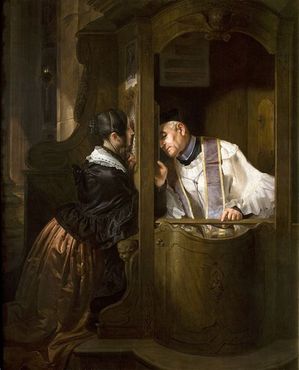
        <![CDATA[<a href="http://communio.stblogs.org/acknowledge%20my%20transgression.jpg"><img alt="acknowledge my transgression.jpg" src="http://communio.stblogs.org/assets_c/2013/07/acknowledge my transgression-thumb-300x370-14783.jpg" width="300" height="370" class="mt-image-left" style="float: left; margin: 0 20px 20px 0;" /></a><p style="margin-bottom: 0px; font-size: 12px; font-family: 'Times New Roman'; "><span style="letter-spacing: 0.0px"><i>Have you ever thought about the scriptural exhortation that "A sacrifice to God is a contrite spirit"? What does it mean? What does it mean for me? Why do I need a contrite (a feeling or showing sorrow and remorse for a sin or shortcoming)&nbsp; heart to be a person of faith? When I pray the Liturgy of the Hours, or approach the confession box my thoughts and feelings zero-in on contrition, sin and what it all means. Some days I am plagued by the heaviness of sin (separation from God but also living divorced from a good sense of self and relations with others). Here, I am talking about the place of mercy --God's mercy-- for me.</i></span></p>
<p style="margin-bottom: 0px; font-size: 12px; font-family: 'Times New Roman'; min-height: 15px; "><i><span style="letter-spacing: 0.0px"></span><br /></i></p>
<p style="margin-bottom: 0px; font-size: 12px; font-family: 'Times New Roman'; "><span style="letter-spacing: 0.0px"><i>The Responsory for a recent reading in the Office of Readings (Sunday, 14th Sunday through the Year) has us sing: My sins are embedded like arrows in my flesh. Lord, before they wound me, heal me with the medicine of repentance.</i></span></p>
<p style="margin-bottom: 0px; font-size: 12px; font-family: 'Times New Roman'; "><span style="letter-spacing: 0.0px"><i>A clean heart create for me, O God. Put a steadfast spirit within me. Heal me with the medicine of repentance.</i></span></p>
<p style="margin-bottom: 0px; font-size: 12px; font-family: 'Times New Roman'; min-height: 15px; "><i><span style="letter-spacing: 0.0px"></span><br /></i></p>
<p style="margin-bottom: 0px; font-size: 12px; font-family: 'Times New Roman'; "><span style="letter-spacing: 0.0px"><i>I found myself thinking about what Saint Augustine said about sin in one of his sermons. (The italics is Augustine using Scripture.) Perhaps the following portion of the sermon is of interest for you. The spiritual life, indeed, our whole personhood, needs to consider how we deal with sin in our lives.</i></span></p><p style="margin-bottom: 0px; font-size: 12px; font-family: 'Times New Roman'; "><span style="letter-spacing: 0.0px"><i><br /></i></span></p><p style="margin-bottom: 0px; font-size: 12px; font-family: 'Times New Roman'; "><span style="letter-spacing: 0.0px">Saint Augustine said:</span></p>]]>
        <![CDATA[<p style="margin-bottom: 0px; font-size: 12px; font-family: 'Times New Roman'; "><span style="letter-spacing: 0px; "><i>I acknowledge my transgression,</i>&nbsp;says David. If I admit my fault, then you will pardon it. Let us never assume that if we live good lives we will be without sin; our lives should be praised only when we continue to beg for pardon. But men are hopeless creatures, and the less they concentrate on their own sins, the more interested they become in the sins of others. They seek to criticize, not to correct. Unable to excuse themselves, they are ready to accuse others. This was not the way that David showed us how to pray and make amends to God, when he said:&nbsp;<i>I acknowledge my transgression, and my sin is ever before me.</i>&nbsp;He did not concentrate on others' sins; he turned his thoughts on himself. He did not merely stroke the surface, but he plunged inside and went deep down within himself. He did not spare himself, and therefore was not impudent in asking to be spared.</span></p><p style="margin-bottom: 0px; font-size: 12px; font-family: 'Times New Roman'; min-height: 15px; "><span style="letter-spacing: 0px; "></span><br /></p><p style="margin-bottom: 0px; font-size: 12px; font-family: 'Times New Roman'; "><span style="letter-spacing: 0px; ">Do you want God to be appeased? Learn what you are to do that God may be pleased with you. Consider the psalm again:&nbsp;<i>If you wanted sacrifice, I would indeed have given it; in burnt offerings you will take no delight.</i>&nbsp;Are you then to be without sacrifice? Are you to offer nothing? Will you please God without an offering? Consider what you read in the same psalm:&nbsp;<i>If you wanted sacrifice, I would indeed have given it; in burnt offerings you will take no delight.</i>&nbsp;But continue to listen, and say with David:&nbsp;<i>A sacrifice to God is a contrite spirit; God does not despise a contrite and humble heart.</i>&nbsp;Cast aside your former offerings, for now you have found out what you are to offer. In the days of your fathers you would have made offerings of cattle&nbsp;- these were the sacrifices.&nbsp;<i>If you wanted sacrifice, I would indeed have given it.</i>&nbsp;These then, Lord, you do not want, and yet you do want sacrifice.</span></p><p style="margin-bottom: 0px; font-size: 12px; font-family: 'Times New Roman'; min-height: 15px; "><span style="letter-spacing: 0px; "></span><br /></p><p style="margin-bottom: 0px; font-size: 12px; font-family: 'Times New Roman'; "><span style="letter-spacing: 0px; "><i>You will take no delight in burnt offerings,</i>&nbsp;David says. If you will not take delight in burnt offerings, will you remain without sacrifice? Not at all.&nbsp;<i>A sacrifice to God is a contrite spirit; God does not despise a contrite and humble heart.</i></span></p><p style="margin-bottom: 0px; font-size: 12px; font-family: 'Times New Roman'; min-height: 15px; "><span style="letter-spacing: 0px; "></span><br /></p><p style="margin-bottom: 0px; font-size: 12px; font-family: 'Times New Roman'; "><span style="letter-spacing: 0px; ">You now have the offering you are to make. No need to examine the herd, no need to outfit ships and travel to the most remote provinces in search of incense. Search within your heart for what is pleasing to God. Your heart must be crushed. Are you afraid that it might perish so? You have the reply:&nbsp;<i>Create a clean heart in me, O God.</i>&nbsp;For a clean heart to be created, the unclean one must be crushed.</span></p><p style="margin-bottom: 0px; font-size: 12px; font-family: 'Times New Roman'; min-height: 15px; "><span style="letter-spacing: 0px; "></span><br /></p><p style="margin-bottom: 0px; font-size: 12px; font-family: 'Times New Roman'; "><span style="letter-spacing: 0px; ">We should be displeased with ourselves when we commit sin, for sin is displeasing to God. Sinful though we are, let us at least be like God in this, that we are displeased at what displeases him. In some measure then you will be in harmony with God's will, because you find displeasing in yourself what is abhorrent to your Creator.</span></p><p style="margin-bottom: 0px; font-size: 12px; font-family: 'Times New Roman'; min-height: 15px; "><span style="letter-spacing: 0px; "></span><br /></p><p style="margin-bottom: 0px; font-size: 12px; font-family: 'Times New Roman'; "><span style="letter-spacing: 0px; "><b>From a sermon by Saint Augustine</b></span></p>]]>
    </content>
</entry>

<entry>
    <title>Saint Benedict, the man of blessing</title>
    <link rel="alternate" type="text/html" href="http://communio.stblogs.org/2013/07/saint-benedict-the-man-of-bles.html" />
    <id>tag:communio.stblogs.org,2013://23.39385</id>

    <published>2013-07-11T11:26:56Z</published>
    <updated>2013-07-11T12:05:04Z</updated>

    <summary>Today is the Feast of Saint Benedict! It was originally the feast of the translation of his relics, but after Monte Cassino was bombed they discovered that his relics were evidently never translated! Pope Paul changed it to the feast...</summary>
    <author>
        <name>Paul Zalonski</name>
        <uri>http://communio.stblogs.org</uri>
    </author>
    
        <category term="Benedictine saints &amp; blesseds" scheme="http://www.sixapart.com/ns/types#category" />
    
    <category term="benedictinesaintsandblesseds" label="Benedictine saints and blesseds" scheme="http://www.sixapart.com/ns/types#tag" />
    <category term="communionandliberation" label="Communion and Liberation" scheme="http://www.sixapart.com/ns/types#tag" />
    <category term="stbenedict" label="St Benedict" scheme="http://www.sixapart.com/ns/types#tag" />
    
    <content type="html" xml:lang="en" xml:base="http://communio.stblogs.org/">
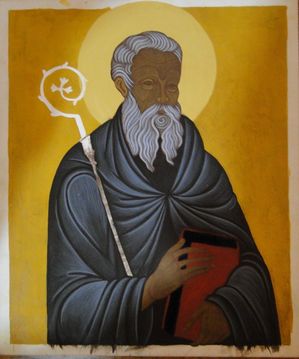
        <![CDATA[<a href="http://communio.stblogs.org/S%C3%A3o%20Bento.jpg"><img alt="São Bento.jpg" src="http://communio.stblogs.org/assets_c/2013/07/São Bento-thumb-300x359-14779.jpg" width="300" height="359" class="mt-image-left" style="float: left; margin: 0 20px 20px 0;" /></a><p style="margin-bottom: 0px; font-size: 12px; font-family: 'Times New Roman'; color: rgb(55, 64, 78); "><span style="letter-spacing: 0.0px">Today is the Feast of Saint Benedict! It was originally the feast of the translation of his relics, but after Monte Cassino was bombed they discovered that his relics were evidently never translated! Pope Paul changed it to the feast of Saint Benedict Patron of Europe. One of the most sensible things he ever did.</span></p><p style="margin-bottom: 0px; font-size: 12px; font-family: 'Times New Roman'; color: rgb(55, 64, 78); "><span style="letter-spacing: 0.0px"><br /></span></p><p style="margin-bottom: 0px; font-size: 12px; font-family: 'Times New Roman'; color: rgb(55, 64, 78); ">The perduring gift to the Church is the Rule of Saint Benedict. It is a beautiful compilation of how to live together seeking the face of God. One part on humility is worth noting. Benedict's teaching <a href="http://communio.stblogs.org/2009/07/saint-benedict-and-his-12-degr.html">on humility is here</a>.</p>
<p style="margin-bottom: 0px; font-size: 12px; font-family: 'Times New Roman'; color: rgb(55, 64, 78); min-height: 15px; "><span style="letter-spacing: 0.0px"></span><br /></p>
<p style="margin-bottom: 0px; font-size: 12px; font-family: 'Times New Roman'; color: rgb(55, 64, 78); "><span style="letter-spacing: 0.0px">Father Giussani points out about life in Communion and Liberation:</span></p><p style="margin-bottom: 0px; font-size: 12px; font-family: 'Times New Roman'; color: rgb(55, 64, 78); "><span style="letter-spacing: 0.0px"><br /></span></p>
<p style="margin-bottom: 0px; font-size: 12px; font-family: 'Times New Roman'; color: rgb(50, 51, 51); "><span style="letter-spacing: 0.0px">"Now, we must also say that to live communion is not a small matter; it is all of Christian life, because Christian life is Christ among us who makes us one sole body. And this, I believe, is the heart of the original Benedictine tradition, with which our Movement felt itself to coincide from the beginning. The heart of our Movement is this, and I really believe that it is being disciples of the original Benedictine history that has made our Movement like this. Therefore, it is no small matter; it is the example that has to happen."</span></p><p style="margin-bottom: 0px; font-size: 12px; font-family: 'Times New Roman'; color: rgb(50, 51, 51); "><span style="letter-spacing: 0.0px"><br /></span></p><p style="margin-bottom: 0px; font-size: 12px; font-family: 'Times New Roman'; color: rgb(50, 51, 51); "><span style="letter-spacing: 0.0px">A short review of the importance of Saint Benedict and Benedictines in the <a href="http://communio.stblogs.org/2011/07/a-bold-abbot-communion-and-lib.html">life of Communion and Liberation is here.</a></span></p>
<p style="margin-bottom: 0px; font-size: 12px; font-family: 'Times New Roman'; color: rgb(50, 51, 51); min-height: 15px; "><span style="letter-spacing: 0.0px"></span><br /></p>
<p style="margin-bottom: 0px; font-size: 12px; font-family: 'Times New Roman'; "><span style="letter-spacing: 0.0px">Blessed feast of Saint Benedict.</span></p>
<p style="margin-bottom: 0px; font-size: 12px; font-family: 'Times New Roman'; color: rgb(50, 51, 51); "><span style="letter-spacing: 0.0px">Benedicite</span></p> ]]>
        
    </content>
</entry>

<entry>
    <title>Blessed Massabki Brothers</title>
    <link rel="alternate" type="text/html" href="http://communio.stblogs.org/2013/07/blessed-massabki-brothers.html" />
    <id>tag:communio.stblogs.org,2013://23.39383</id>

    <published>2013-07-10T11:38:58Z</published>
    <updated>2013-07-10T11:43:19Z</updated>

    <summary><![CDATA[Abdel Mohti, Francis, and Raphael were three Maronite laymen killed inside the Franciscan church in Damascus while they were praying.&nbsp; On 9 July 1860, the killers entered the Franciscan church in Damascus where the Brothers were in prayer. The Islamic...]]></summary>
    <author>
        <name>Paul Zalonski</name>
        <uri>http://communio.stblogs.org</uri>
    </author>
    
        <category term="Eastern Church" scheme="http://www.sixapart.com/ns/types#category" />
    
    <category term="easternchristians" label="Eastern Christians" scheme="http://www.sixapart.com/ns/types#tag" />
    <category term="maronites" label="Maronites" scheme="http://www.sixapart.com/ns/types#tag" />
    
    <content type="html" xml:lang="en" xml:base="http://communio.stblogs.org/">
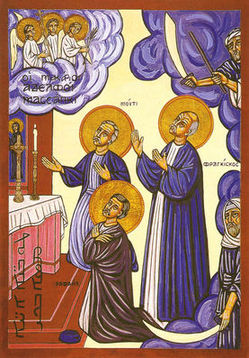
        <![CDATA[<a href="http://communio.stblogs.org/Blessed%20Massabki%20Brothers.jpg"><img alt="Blessed Massabki Brothers.jpg" src="http://communio.stblogs.org/assets_c/2013/07/Blessed Massabki Brothers-thumb-250x358-14775.jpg" width="250" height="358" class="mt-image-left" style="float: left; margin: 0 20px 20px 0;" /></a><p style="margin-bottom: 0px; font-size: 12px; font-family: 'Times New Roman'; "><span style="letter-spacing: 0.0px"><br /></span></p><p style="margin-bottom: 0px; font-size: 12px; font-family: 'Times New Roman'; "><span style="letter-spacing: 0.0px"><br /></span></p><p style="margin-bottom: 0px; font-size: 12px; font-family: 'Times New Roman'; "><span style="letter-spacing: 0.0px">Abdel Mohti, Francis, and Raphael were three Maronite laymen killed inside the Franciscan church in Damascus while they were praying.&nbsp;</span></p><p style="margin-bottom: 0px; font-size: 12px; font-family: 'Times New Roman'; "><span style="letter-spacing: 0.0px"><br /></span></p>
<p style="margin-bottom: 0px; font-size: 12px; font-family: 'Times New Roman'; "><span style="letter-spacing: 0.0px">On 9 July 1860, the killers entered the Franciscan church in Damascus where the Brothers were in prayer. The Islamic fanatics gave the Brothers a choice: reject Christianity and accept Islam, or, be killed. The Brothers said: "You may destroy our lives but you cannot destroy our faith in Christ and our souls; we are Christians. In the faith of Christ we live and in the faith of Christ we shall die." The three holy brothers were killed as were several of the Franciscan friars.</span></p><p style="margin-bottom: 0px; font-size: 12px; font-family: 'Times New Roman'; "><span style="letter-spacing: 0.0px"><br /></span></p>
<p style="margin-bottom: 0px; font-size: 12px; font-family: 'Times New Roman'; "><span style="letter-spacing: 0.0px">Pope Pius XI beatified the three Massabki &nbsp;brothers on 7 October 1926.</span></p><p style="margin-bottom: 0px; font-size: 12px; font-family: 'Times New Roman'; "><span style="letter-spacing: 0.0px"><br /></span></p><p style="margin-bottom: 0px; font-size: 12px; font-family: 'Times New Roman'; "><span style="letter-spacing: 0.0px">Blessed Massabki Brothers, pray for Lebanon, the Church in the USA, and each one of us.</span></p>]]>
        
    </content>
</entry>

<entry>
    <title>Our Lady of the Atonement</title>
    <link rel="alternate" type="text/html" href="http://communio.stblogs.org/2013/07/our-lady-of-the-atonement-1.html" />
    <id>tag:communio.stblogs.org,2013://23.39384</id>

    <published>2013-07-10T03:50:59Z</published>
    <updated>2013-07-10T12:06:38Z</updated>

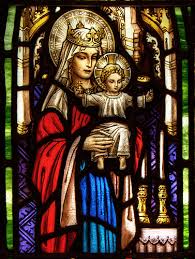
    <summary>Today, is the feast of Our Lady of the Atonement. Under her patronage do the Franciscan Friars and Sisters of the Atonement live their vocation. I was happy to celebrate with a favorite Atonement Sister today! The Founder of the...</summary>
    <author>
        <name>Paul Zalonski</name>
        <uri>http://communio.stblogs.org</uri>
    </author>
    
        <category term="Blessed Virgin Mary" scheme="http://www.sixapart.com/ns/types#category" />
    
        <category term="Franciscans" scheme="http://www.sixapart.com/ns/types#category" />
    
    <category term="blessedvirginmary" label="Blessed Virgin Mary" scheme="http://www.sixapart.com/ns/types#tag" />
    <category term="franciscansoftheatonement" label="Franciscans of the Atonement" scheme="http://www.sixapart.com/ns/types#tag" />
    <category term="ourladyoftheatonement" label="Our Lady of the Atonement" scheme="http://www.sixapart.com/ns/types#tag" />
    <category term="paulwattson" label="Paul Wattson" scheme="http://www.sixapart.com/ns/types#tag" />
    
    <content type="html" xml:lang="en" xml:base="http://communio.stblogs.org/">
        <![CDATA[<a href="http://communio.stblogs.org/OL%20Atonement.jpeg"><img alt="OL Atonement.jpeg" src="http://communio.stblogs.org/assets_c/2013/07/OL Atonement-thumb-195x259-14777.jpeg" width="195" height="259" class="mt-image-left" style="float: left; margin: 0 20px 20px 0;" /></a><p style="margin-bottom: 0px; font-size: 12px; font-family: 'Times New Roman'; color: rgb(50, 51, 51); "><span style="letter-spacing: 0.0px">Today, is the feast of Our Lady of the Atonement. Under her patronage do the<a href="http://www.atonementfriars.org"> Franciscan Friars</a> and <a href="http://graymoor.org/sisters/">Sisters of the Atonement</a> live their vocation. I was happy to celebrate with a favorite Atonement Sister today!</span></p>
<p style="margin-bottom: 0px; font-size: 12px; font-family: 'Times New Roman'; color: rgb(50, 51, 51); min-height: 15px; "><br /><span style="letter-spacing: 0.0px"></span></p>
<p style="margin-bottom: 0px; font-size: 12px; font-family: 'Times New Roman'; color: rgb(52, 52, 2); "><span style="letter-spacing: 0.0px">The Founder of the Franciscans of the Atonement, the Servant of God Father Paul, said of Mary's part in the Atonement:</span></p><p style="margin-bottom: 0px; font-size: 12px; font-family: 'Times New Roman'; color: rgb(52, 52, 2); "><span style="letter-spacing: 0.0px"><br /></span></p>
<p style="margin-bottom: 6px; font-size: 12px; font-family: 'Times New Roman'; color: rgb(52, 52, 2); "><span style="letter-spacing: 0.0px">"She is necessarily "of the Atonement" since it was the will of God that she play a necessary part in the atonement or redemption. This is not to say that without her man would have remained unredeemed but that God's plan gave her a large share in the redemptive work...Mary, although her part is in no way similar in nature to that of her divine Son's, cooperated with Jesus Christ, as no other creature did, in his work of reconciling man with God. Her claim to this high title rests most solidly on the fact that she consented to become, and became the mother of the Redeemer; that she suffered with Jesus during the passion; and that all graces merited for mankind by Christ have come to us through Mary.</span></p>
<p style="margin-bottom: 6px; font-size: 12px; font-family: 'Times New Roman'; color: rgb(52, 52, 2); "><span style="letter-spacing: 0.0px">When we, therefore, give to our Blessed Mother the title of Our Lady of the Atonement we mean: Our Lady of Unity. As she sits enthroned, as the great wonder of heaven, wearing a crown of twelve stars, clothed with the sun, the moon her footstool, she presents to the universe the highest possible approach of a creature to intimate and exalted union with God.</span></p><div><span style="letter-spacing: 0.0px"><br /></span></div><div><span style="color: rgb(50, 51, 51); font-family: 'Times New Roman'; font-size: 12px; ">More on Fr Paul Wattson and&nbsp;</span><a href="http://communio.stblogs.org/2009/07/our-lady-of-the-atonement.html" style="font-family: 'Times New Roman'; font-size: 12px; "><span style="letter-spacing: 0px; color: rgb(2, 30, 170); ">the devotion to Atonement</span></a><span style="color: rgb(50, 51, 51); font-family: 'Times New Roman'; font-size: 12px; ">.</span></div>]]>
        
    </content>
</entry>

</feed>